Disclosure: We may earn a commission if you purchase through links on this page, at no additional cost to you. Our editorial conclusions are developed independently.
Quick answer
Does Gluco6 have side effects?
Gluco6 contains ingredients with documented safety cautions, but PRM did not identify reliable clinical data establishing how often side effects occur with the finished Gluco6 formula. The most important issues to check are medication interactions, certain liver-related cautions and the undisclosed doses inside its 525 mg proprietary blend.
One capsule a day sounds simple. And if Gluco6 caught your attention, you may already be imagining how easily it could fit into your routine. But before you place an order, there’s a more personal question: could something in that capsule be a problem for you?
You deserve more than an “all-natural” reassurance or a frightening list of possible reactions without context. You deserve to understand which concerns are supported by evidence, which are still uncertain and what deserves a closer look before you buy.
If you take prescription medication or have a medical condition, the appropriate first step may be a conversation with your clinician, not a checkout page. If you’ve already resolved the cautions that apply to you, this guide will help you decide whether Gluco6’s convenience and remaining uncertainties justify the purchase.
Why this question matters
A simple daily routine shouldn’t mean guessing about safety
There’s an understandable attraction to a supplement that doesn’t ask you to manage several different bottles. Gluco6 presents a straightforward proposition: a single capsule with familiar glucose-support ingredients. For a busy buyer, that simplicity has appeal.
But the details become more important if you’re already managing blood sugar, taking medication, monitoring your health or trying to avoid ingredients that don’t agree with you. Convenience is a feature. Knowing whether that convenience fits your situation is the real buying decision.
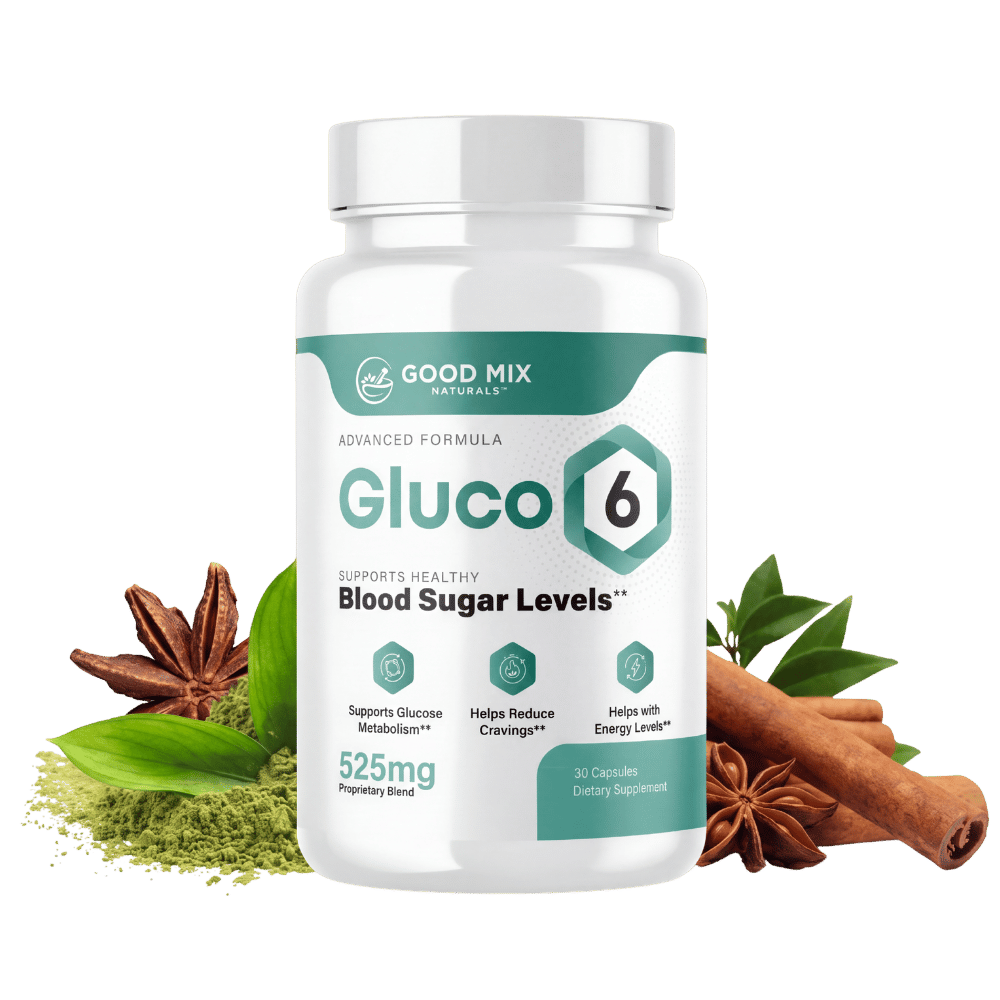
We start with the physical label documented by PRM. Three ingredients have separately stated amounts: vitamin D3, vitamin B1 and chromium. Seven more — L-arabinose, theobromine, green tea extract, eleuthero, theacrine (TeaCrine), cassia cinnamon and Gymnema sylvestre — share one 525 mg number. You can identify those ingredients, but you cannot calculate their individual doses from the label.
The label at a glance
Five safety questions worth checking before you order
Not every warning applies to every buyer. This snapshot puts the practical questions in one place so you can focus on what matters to your circumstances.
| Label item | What is known | Why it matters | What remains unknown |
|---|---|---|---|
| Chromium | 1,000 mcg disclosed | Potential interactions with insulin and other glucose-lowering medication | Individual effects of the finished chromium-macinate formula |
| Green tea extract | Listed in the 525 mg blend | Uncommon liver-injury reports involving some concentrated extracts | Green tea extract and EGCG amounts per capsule |
| Cassia cinnamon | Cinnamomum cassia on the reviewed label | Coumarin exposure may matter for people with liver disease | Cassia and coumarin amounts in Gluco6 |
| Theacrine / theobromine | Both included in the blend | Potential stimulant-like activity and individual sensitivity | Separate doses and effects of the finished capsule |
| Vitamin D3 | 50 mcg (2,000 IU) disclosed | Total intake matters when using other supplements | Your personal needs and combined daily intake |
Evidence boundary: The ingredient identities and amounts come from the Gluco6 label documented in our Research Dossier . The cautions come from ingredient-level medical references; they are not Gluco6-specific adverse-event rates.
The medication check
Taking metformin or insulin? This could change your decision.
If you’re managing blood glucose with prescribed medication, you’re already doing something important for your health. Adding a supplement isn’t just a matter of whether its ingredients sound familiar.
Gluco6 lists 1,000 mcg of chromium per serving. According to the NIH Office of Dietary Supplements, chromium supplements might increase the risk of low blood sugar when used with insulin or other diabetes medicines, including metformin. That is an interaction warning, not proof that Gluco6 has caused hypoglycemia.
Why it matters
Your treatment already has a purpose
If a prescription is helping manage blood sugar, adding a supplement may complicate decisions about glucose readings, meals and medication. The question isn’t whether chromium is universally good or bad. It’s whether the combination is appropriate for you.
What to do next
Bring the actual label to your clinician
Ask the clinician or pharmacist who manages your medications to review the 1,000 mcg chromium amount and the complete ingredient list. Discuss any monitoring concerns. Never stop, replace or alter prescribed treatment to accommodate a supplement.
Taking levothyroxine? NIH describes a small study in which chromium picolinate reduced levothyroxine absorption when taken together. Gluco6 lists chromium macinate, not picolinate, so the study does not establish the same effect for this product. Still, if thyroid medication is part of your routine, ask your pharmacist about supplement suitability and timing rather than making assumptions.
The reassurance that actually matters
You don’t need a perfect promise. You need a decision you can stand behind.
A seller’s “natural” message cannot tell you how a formula will fit your medications or medical history. But neither does a long list of theoretical risks prove the product is unsafe for everyone.
Real confidence comes from identifying the cautions that apply to you — and resolving them before spending your money.
If that means delaying the purchase and asking for medical advice, do it. If your questions have been addressed, you can judge Gluco6 on more familiar buying criteria: convenience, transparency, evidence and price.
Two botanical cautions
Green tea and cinnamon sound familiar. Extracts require a closer look.
You may drink green tea or use cinnamon in food without a second thought. But a concentrated extract in a capsule isn’t necessarily equivalent to an everyday serving — and the amount can matter.
Green tea extract
The concern isn’t ordinary tea in a cup
NCCIH reports digestive complaints with some green-tea-extract supplements and uncommon liver injury associated mainly with concentrated extracts taken as capsules or tablets. Certain medication interactions have also been reported.
Gluco6 lists green tea extract standardized to polyphenols and EGCG, but it doesn’t disclose its separate amount in the 525 mg blend. We therefore cannot compare its exposure with the extracts involved in those reports.
Cassia cinnamon
The cinnamon species matters
The reviewed physical label identifies Cinnamomum cassia. Cassia can contain coumarin; sufficiently high or prolonged exposure may be concerning, especially for people with liver disease.
But the amount of cassia — and therefore the coumarin exposure — cannot be calculated from Gluco6’s label. That is a transparency limitation, not proof that this capsule contains a harmful amount.
If liver health is a concern for you, raise these ingredients with a qualified professional before starting. If you develop symptoms such as dark urine, jaundice or unexplained abdominal pain while using a supplement, stop taking it and seek prompt medical advice.
The overlooked ingredient question
Is Gluco6 really stimulant-free?
If you know you’re sensitive to stimulating products, you probably don’t want to discover that after beginning a new routine. That’s why a closer reading of the label matters.
The seller presentation reviewed by PRM has used “No Stimulants” language, while the physical Gluco6 label includes theacrine (TeaCrine) and theobromine, compounds with stimulant-like properties. Green tea extract is also listed, without a separately disclosed caffeine amount.
Does that prove Gluco6 will cause jitters or disturb your sleep? No. The individual doses aren’t shown, and the finished capsule’s effects haven’t been established from that information. But an unqualified “stimulant-free” claim should not replace a careful ingredient check.
The disclosed numbers
What about 2,000 IU of vitamin D3 and 1,000 mcg of chromium?
Large-looking numbers can create worry, but context matters more than their appearance. These are among the few Gluco6 quantities you can read directly from the label.
Vitamin D3
Consider what you already take
Gluco6 provides 50 mcg (2,000 IU) of vitamin D3 per labeled serving. The adult tolerable upper intake level established by the Food and Nutrition Board is 100 mcg (4,000 IU) daily. Gluco6’s amount is below that level, but a multivitamin or separate vitamin D supplement can add to your total.
Being below an upper limit doesn’t establish that the product is needed or suitable for you.
Chromium
A disclosed dose still deserves scrutiny
The label lists 1 mg (1,000 mcg) of chromium. NIH has not established a tolerable upper intake level because safety data are limited. That does not mean high doses are automatically harmless.
Medication interactions and kidney or liver conditions should remain part of the decision.
The reviewed label also lists 100 mg of vitamin B1. A high percentage of Daily Value does not by itself establish an adverse effect from the Gluco6 formula.
Still considering Gluco6?
You’ve seen the cautions. Now decide whether the offer deserves a closer look.
If you’ve resolved medication or health concerns that apply to you, you can move from the safety questions to the commercial ones. Gluco6 offers a convenient one-capsule format; its seven-ingredient blend also leaves dose-level uncertainty. Are those trade-offs worth the current price to you?
Make the decision personal
Who should pause — and who can move on to comparing offers?
Two people can read the same bottle and face very different decisions. Your prescriptions, medical history and expectations matter more than a broad promise that a supplement is safe for everyone.
Pause before buying
There’s a safety question you still need to resolve
- You use insulin, metformin or another glucose-lowering medicine.
- You take levothyroxine or have other medication-interaction concerns.
- You have liver or kidney disease, or a condition requiring individualized supplement advice.
- You are sensitive to stimulating compounds and need exact ingredient amounts.
- You are pregnant, nursing or under 18: the reviewed product warning excludes these groups.
Ready for an informed comparison
You’ve checked what matters to your situation
- You have read the current label, serving instructions and warnings.
- Relevant medication or health questions have been addressed with a qualified professional.
- You understand that seven blend ingredients don’t have separate labeled doses.
- You aren’t expecting a supplement to replace prescribed diabetes treatment.
- You’re ready to compare convenience, evidence limitations, price and purchase terms.
Our buying read
Is Gluco6 safe enough to consider buying?
There is no honest one-size-fits-all answer. The labeled one-capsule serving is simple. Three nutrients have disclosed amounts. But chromium interactions, botanical cautions and unspecified blend doses are meaningful considerations for some buyers.
If your medications or health conditions overlap with those cautions, pause the order until you have appropriate advice. A convenient routine or attractive package is never a reason to skip a medication check.
If you’ve addressed the relevant concerns, the question becomes more straightforward: does the simplicity of Gluco6 justify the price and the limits of what its formula discloses? That’s a better basis for deciding than either fear or a seller’s reassurance.
You don’t need to be frightened into rejecting Gluco6 — or reassured into buying it. You need enough clarity to make a decision you’ll feel comfortable standing behind.
FAQ
Gluco6 side effects and safety: questions before ordering
What are the side effects of Gluco6?
PRM did not identify reliable side-effect frequency data for the current finished Gluco6 formula. Ingredient-level cautions include possible chromium-medication interactions and digestive symptoms or uncommon liver injury reported with some concentrated green-tea extracts. These findings cannot be converted into Gluco6-specific rates.
Can Gluco6 cause low blood sugar?
A Gluco6-specific rate of hypoglycemia has not been established. NIH notes that chromium supplements may increase the risk of low blood sugar when combined with insulin and other diabetes medicines. Ask your healthcare professional about the combination before using Gluco6.
Can I take Gluco6 with metformin or insulin?
Do not assume the combination is appropriate. Gluco6’s reviewed label lists 1,000 mcg of chromium, and NIH describes possible interactions between chromium supplements and glucose-lowering medicines. Consult the clinician or pharmacist responsible for your treatment.
Is Gluco6 safe for the liver?
The label does not provide the separate green-tea- extract or cassia-cinnamon amounts needed to assess those exposures. Some concentrated green-tea extracts have been associated with uncommon liver injury, and cassia may contain coumarin. Those are ingredient-level cautions, not proof that Gluco6 damages the liver.
Does Gluco6 contain caffeine or stimulants?
The reviewed label includes theacrine, theobromine and green tea extract, but doesn’t specify individual doses or a caffeine amount. The label alone cannot establish how stimulating the finished capsule might feel or independently confirm a blanket “No Stimulants” claim.
Is Gluco6 safe to take every day?
The reviewed directions describe a one-capsule serving, but a daily serving recommendation does not establish safety for every person or for indefinite use. Medication, medical history and total supplement intake may change the answer.
Can pregnant or breastfeeding people, or anyone under 18, use Gluco6?
The reviewed product warning excludes people who are pregnant, nursing or under 18. Do not use the product contrary to those warnings. Consult a qualified healthcare professional about your circumstances.
Can Gluco6 replace diabetes medication?
No. Gluco6 is a dietary supplement; PRM’s reviewed evidence does not establish it as a replacement for prescribed diabetes care. Never discontinue or modify treatment based on supplement marketing.
Where can I review the full formula and evidence?
Use the Gluco6 Ingredients Guide for the label breakdown, the Gluco6 Research Dossier for source-level evidence and the full Gluco6 Review for the broader buying decision.
Evidence and transparency
Where these Gluco6 safety conclusions come from
PRM uses the physical Gluco6 Supplement Facts panel documented in our Research Dossier and compares ingredient-specific cautions with independent health references. We have not conducted a Gluco6 laboratory safety assay, a clinical trial of the finished product or a verified product-specific adverse-event analysis.
- NIH Office of Dietary Supplements — Chromium : interactions and precautions.
- NIH Office of Dietary Supplements — Vitamin D : intake and upper limits.
- NCCIH — Green Tea : concentrated extract cautions.
- NCCIH — Cinnamon : cassia and coumarin considerations.
- NCCIH — Diabetes and Dietary Supplements : supplements and prescribed treatment.
- FDA — Information for Consumers on Dietary Supplements : general supplement safety.
How this guide was prepared: Product details come from the physical Gluco6 label documented by PRM; health cautions are based on published ingredient-level guidance. They do not establish that Gluco6 causes a particular side effect or provides a specific medical benefit. Labels and offers can change; check the current product information. This is not individualized medical advice. Read our Medical Disclaimer .