Disclosure: We may earn a commission if you purchase through links on this page, at no additional cost to you. Our editorial conclusions are developed independently.
The quick answer
What are the ingredients in Phytomem One?
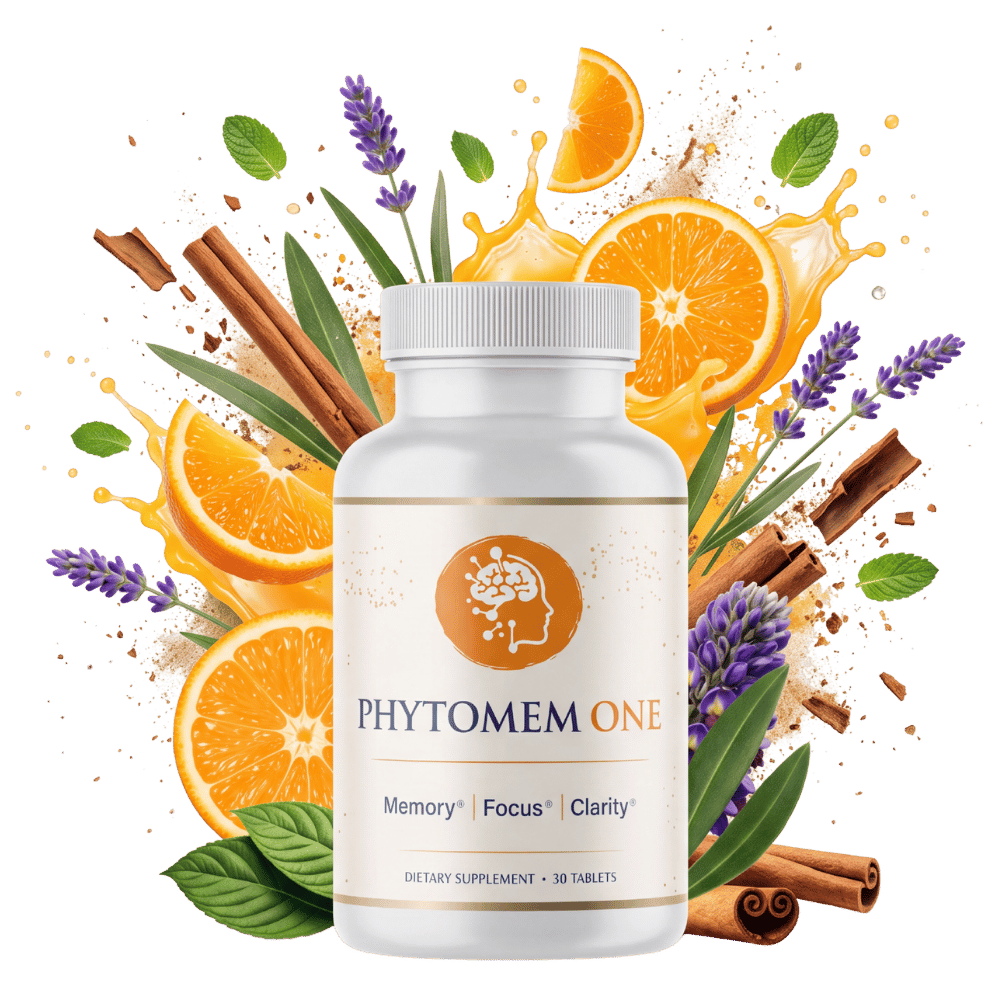
Phytomem One contains ten named ingredients in a single 458 mg proprietary blend. You can see what is listed on the label, but not how much of each ingredient is in one tablet.
Maybe the appeal is simple: one chewable tablet instead of another complicated daily routine. That is understandable. But before spending your money on a memory-focused supplement, you should be able to answer a basic question: what am I actually getting?
The label gives you part of that answer. Saffron, fucoxanthin, berberine and several familiar botanicals are listed. What it does not tell you is whether their individual amounts match the doses used in published studies. You do not need to become a researcher to shop wisely; you just need to know where the evidence starts and stops.
Why this formula attracts attention
The appeal isn’t just the ingredient list. It’s having one less thing to manage.
When your days are already full, the idea of one daily chewable can sound more realistic than keeping track of several separate supplements. Phytomem One’s format is an understandable selling point.
And its ingredient list is not random. It combines compounds investigated in cognitive research with others better known for metabolic research. That is enough to make the formula worth examining. It is not enough to conclude that the finished product improves memory.
So the fair question is not whether the bottle uses interesting names. It is whether you are comfortable paying for the convenience of this combination when the label leaves some important details unresolved.
What the bottle actually says
Phytomem One’s 10 ingredients, explained in plain English
The table below follows the physical Supplement Facts panel documented in our research dossier. It distinguishes what each label entry tells you from what it cannot establish.
| Ingredient | Label detail | Why a buyer might care | What remains unknown |
|---|---|---|---|
| Xylitol | First listed active entry | Part of the disclosed blend, although not an established memory intervention. | Individual amount and cognitive relevance. |
| Ceylon cinnamon | Cinnamomum verum bark | A familiar botanical investigated in metabolic research. | Amount and applicability of specific studies. |
| Corosolic acid | From banaba leaf extract | Associated primarily with glucose-related studies. | Dose and any direct memory outcome. |
| Saffron | Crocus sativus bulb extract | Defined saffron preparations have been studied in human cognition trials. | Dose and equivalence to studied preparations. |
| Fucoxanthin | From Laminaria japonica | Related compounds have emerging human cognition research. | Amount and equivalence to studied microalgae extracts. |
| Fucoidan | From Laminaria japonica | Interesting early-stage neurobiology research. | Clinically meaningful effects in this product. |
| Citrus sinensis | Sweet-orange ingredient | Seller marketing discusses a branded citrus extract. | Whether this is that standardized extract or its studied dose. |
| Kudzu flower | Pueraria montana flower extract | A botanical with research mostly outside cognition. | Direct memory relevance at the labeled form and dose. |
| Oleuropein | From olive leaf extract | An olive polyphenol investigated in early cognitive research. | Dose and independent effect of this blend. |
| Berberine HCl | Berberine hydrochloride | Human research is stronger for blood glucose and insulin outcomes. | Amount and any benefit for memory. |
Label note: The reviewed panel lists one chewable tablet per serving, 30 servings per bottle and a combined 458 mg proprietary blend. It separately names natural flavors, stearic acid, magnesium stearate, silicon dioxide and stevia (Reb A) as other ingredients. They are not additional active entries. Verify the current bottle label before ordering.
What the science adds
Some ingredients are worth a closer look. Not all support the same kind of claim.
You may recognize saffron from discussions of mood and cognition, berberine from metabolic-health coverage, or cinnamon from everyday nutrition. Those associations are real starting points for research—but a study of one ingredient is not a study of this tablet.
Most directly relevant to cognition
Saffron
Human trials and reviews have explored specified saffron preparations and cognitive outcomes. That makes saffron worth noticing. But this label specifies bulb extract and no individual amount, so the trials cannot be treated as proof of what this tablet does.
Emerging, mixed human research
Fucoxanthin
Defined microalgae extracts containing fucoxanthin have been studied in older adults. Results have been mixed. The source on this label is Laminaria japonica, not the same studied intervention, and its amount is undisclosed.
Better evidence for another goal
Berberine, banaba & cinnamon
These ingredients have research related to blood glucose or metabolism. That is relevant context about the formula’s design, but it does not establish better recall, focus or mental clarity from Phytomem One.
Primarily preliminary evidence
Fucoidan & oleuropein
Early research gives scientists reasons to keep investigating these compounds. It is too soon to turn that into a dependable memory-benefit claim for a ten-ingredient chewable.
Know which form you are comparing
Citrus sinensis & kudzu
Studies cited in marketing discussions often use more specific citrus preparations or a different kudzu species, and frequently measure body composition rather than cognition. Details like source and outcome matter.
Present, but not a reason to buy for memory
Xylitol
The label lists xylitol inside the proprietary blend. Its presence should not be presented as evidence that the formula delivers a clinically demonstrated brain-fuel effect.
The deciding trade-off
One simple tablet. Ten active ingredients. One unanswered dosing question.
There is something appealing about a supplement that does not ask you to organize a cabinet full of bottles. But simplicity and transparency are different benefits.
Under U.S. labeling rules, a proprietary blend may disclose its total weight and list its components without giving each one a separate milligram amount. That explains the format; it does not tell you whether any particular ingredient reaches the exposure tested in research.
You do not have to reject the product because of that. You also do not have to ignore it. If a convenient blend is what you want, you can consider it with open eyes. If knowing the exact dose of every active is non-negotiable, the label does not meet that standard.
Two evidence checks that matter
Where promising research stops—and the product claim would begin
You do not need a long list of clinical trials to make a smarter choice. These two examples illustrate the main issue: a recognizable ingredient does not guarantee the same preparation, amount or result.
In published research
Saffron has human cognition studies
A systematic review evaluated randomized trials involving saffron interventions and cognitive outcomes. It reported promising signals in particular populations, while noting important limitations in the evidence.
On this product’s label
The studied preparation is not established
Phytomem One specifies saffron bulb extract and does not disclose its individual dose. That is not enough information to match the formula to the preparations and exposures used in the trials.
In published research
Fucoxanthin research is still developing
A six-month randomized study of a defined Phaeodactylum tricornutum extract containing 4.4 mg of fucoxanthin per day found no between-group differences on its primary cognitive outcome or other measured cognitive parameters.
On this product’s label
The source and dose cannot be matched
Phytomem One lists fucoxanthin from Laminaria japonica, with no individual quantity. It would be misleading to imply that buying this tablet reproduces the study intervention.
For the full study-by-study record, see our Phytomem One Research Dossier. No independent randomized trial of the complete current formula was identified in the reviewed source record.
Ready to compare the actual offer?
The ingredient list is only half the purchase decision.
Now you know what the label confirms—and what it leaves open. The next step is practical: look at the current U.S. package, total checkout cost, shipping and return terms. Those details can help you decide whether the convenience of this formula is worth its price to you.
A detail easy to overlook
Marketing language and the Supplement Facts panel don’t always say the same thing.
When evaluating a supplement, the difference between a familiar marketing name and the actual label description can be more important than it sounds.
Morosil® versus Citrus sinensis: seller-facing material refers to a branded Moro orange extract, while the reviewed physical label lists the broader botanical name. That label alone does not confirm the branded standardized extract or the dose used in its studies.
Saffron versus saffron bulb extract: the label specifies a plant part that should not automatically be equated with the defined saffron preparations studied in cognition trials.
Tablet versus capsule: the reviewed physical panel says one chewable tablet daily, with 30 servings per bottle, although some seller descriptions use different terminology. Check the actual package and directions before use.
These are reasons to read carefully—not proof that a seller has committed fraud or that a supplement cannot work.
Make the choice yours
Is this the kind of formula you’d feel comfortable buying?
Two buyers can look at the same label and reasonably reach different conclusions. The important thing is to know which details matter most to you.
You may find it worth considering if…
Convenience is high on your list
- You prefer a one-tablet daily routine to comparing multiple separate products.
- You appreciate being able to identify the ten named ingredients and the botanical sources listed.
- You understand that the evidence applies to particular ingredients and study preparations, not automatically to this finished product.
- You are comfortable evaluating the live U.S. price and policies with those uncertainties in mind.
You may want to pass or investigate further if…
Exact doses are essential to you
- You want to compare every active amount against the clinical literature.
- You expect established evidence that the complete product improves memory or focus.
- You need clarification about an ingredient form, allergy or possible medication interaction.
- You would rather choose a formula with more transparent labeling, even if its daily routine is less convenient.
Before you click Buy
Three practical checks for U.S. shoppers
1. Confirm the label you’re buying. Match the current product’s Supplement Facts panel to the serving size, ingredient list and warnings discussed here. Packaging and seller descriptions can change.
2. Check whether the formula fits your health situation. If you take prescription medication, have relevant health conditions, or are concerned about new or worsening memory problems, ask a qualified healthcare professional before using a supplement. Ingredient-related interactions should not be guessed from an incomplete dose list.
3. Read the actual checkout terms. Verify the seller, U.S. shipping cost, return conditions and total amount before payment. An attractive package headline is not the same as your final checkout total.
Bottom line: you are not choosing between a “miracle” and a “scam.” You are choosing whether a convenient but partly undisclosed formula offers enough value and transparency for your standards. That is a better decision than buying—or rejecting it—based on a headline alone.
Frequently asked questions
Phytomem One ingredients: quick answers
What are the ten ingredients in Phytomem One?
The reviewed label lists xylitol, Ceylon cinnamon, corosolic acid from banaba, saffron bulb extract, fucoxanthin, fucoidan, Citrus sinensis, kudzu flower extract, oleuropein from olive leaf and berberine HCl.
How much saffron or berberine is in one Phytomem One tablet?
The label does not provide individual amounts. Ten named ingredients share a combined 458 mg proprietary blend per serving.
Is Phytomem One’s 458 mg blend clinically proven for memory?
We did not identify an independent randomized trial of the complete current formula in the reviewed source record. Research on certain ingredients does not establish a memory benefit for the finished tablet.
Does Phytomem One contain the same saffron used in cognition studies?
That has not been established. The reviewed panel specifies Crocus sativus bulb extract and does not disclose its individual dose or equivalence to studied preparations.
Does the Phytomem One label confirm Morosil®?
No. Seller materials reference Morosil, but the reviewed physical panel says Citrus sinensis without confirming the branded extract, standardization or dose.
How do you take Phytomem One?
The reviewed physical label directs one chewable tablet once daily and shows 30 servings per container. Always follow the directions on the product you actually receive.
How PRM reviewed the formula
A clear label reading, not a promise the science hasn’t made.
We compared the physical Supplement Facts panel documented in our research record with published human studies and U.S. supplement-labeling guidance. We kept ingredient research separate from proof about the finished product, and we did not assign undisclosed doses or clinical outcomes to Phytomem One.
For source details, see the Phytomem One Research Dossier. For the broader purchase assessment—including seller information and observed offer terms—read our Phytomem One Review.
Selected sources: FDA labeling guidance · Saffron systematic review · Fucoxanthin-containing microalgae trial · PRM evidence record.