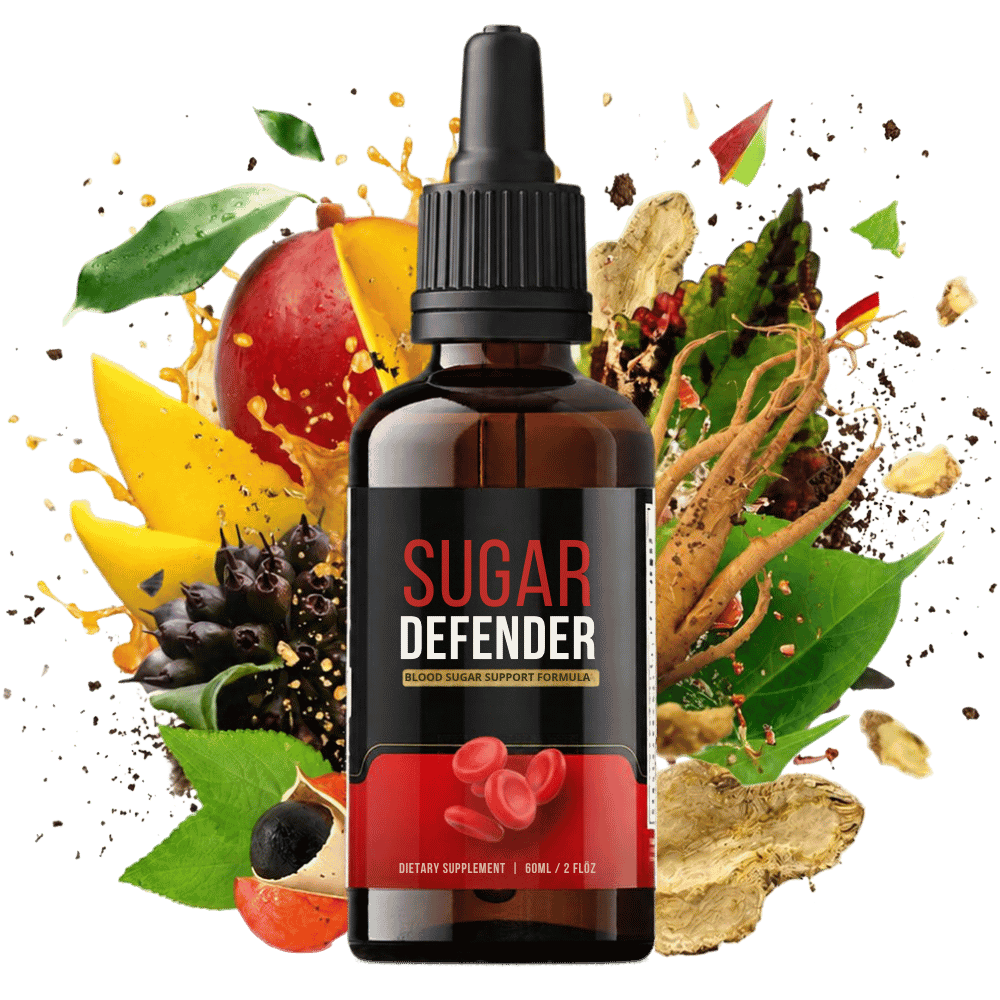
Disclosure: We may earn a commission if you purchase through links on this page, at no additional cost to you. Our editorial conclusions are developed independently.
Know what to check before adding the drops
Can Sugar Defender cause side effects?
Yes. Sugar Defender contains ingredients that may cause unwanted effects or interact with medications. Guarana and green tea raise caffeine-related questions; Panax ginseng and chromium deserve attention when glucose-lowering drugs are involved; and a licorice-derived compound makes the full formula important to review for people with blood-pressure, heart or kidney concerns. These are evidence-based ingredient considerations, not measured side-effect rates for Sugar Defender itself.
It’s easy to be drawn to a supplement that puts several botanicals in one liquid bottle. The harder question arrives when that bottle might join a routine that already includes prescriptions, coffee, glucose checks or other supplements. What fits comfortably into a shopping cart may still deserve a closer look before it fits into your day.
That doesn’t mean every ingredient will cause a problem. It means the right risk depends on the person, the combination and the actual amount taken. We’ll distinguish everyday tolerability concerns from medication interactions, explain what the published label can and cannot establish, and show when a qualified buyer can reasonably move on to comparing the offer.
Formula amounts: seller-published Supplement Facts image. The image lists chromium separately at 0.7 mcg and 22 additional components in a total 200 mg blend; it does not report a measured adverse-event rate.
Not all safety questions are the same
Which Sugar Defender ingredients deserve the closest safety review?
Start with possible stimulant exposure, glucose-related interactions and a few botanical-specific cautions. The table below prioritizes what could change a buying decision. It does not imply that every listed effect has been observed in people taking the finished Sugar Defender formula.
| Ingredient or group | Documented ingredient-level consideration | Buyer implication |
|---|---|---|
| Guarana seed + green tea leaf | Caffeine-associated sleep problems, nervousness or palpitations are possible; exact caffeine exposure is undisclosed. | Especially relevant with coffee, stimulant medication, anxiety, insomnia or rhythm concerns. |
| Panax ginseng | Insomnia and digestive effects; possible glucose-lowering and medication interactions with some preparations. | Review with a clinician if you use diabetes medication or multiple prescriptions. |
| Chromium picolinate | NIH identifies potential interactions with insulin, diabetes medicines and levothyroxine. | The actual 0.7 mcg label amount is very small; don’t infer a clinically meaningful effect or a product-specific interaction rate. |
| Gymnema sylvestre | Studied in glucose-related contexts, but preparation, dose and interaction evidence do not establish safety for this finished blend. | Add the full formula to any diabetes-medication review rather than judging gymnema alone. |
| Monoammonium glycyrrhizinate | A licorice-derived constituent; glycyrrhizin exposure from certain licorice products can affect potassium, blood pressure and heart rhythm. | The concentration and actual daily exposure in Sugar Defender aren’t disclosed, so risks cannot be quantified for this product. |
| Other botanicals and compounds | Individual tolerance, allergies, ingredient-specific medication questions and uncertain combined exposure. | One liquid product is convenient, but still contains many variables to screen. |
Two different questions follow from this table: “What symptom might an ingredient cause?” and “Could this ingredient conflict with my treatment or medical history?” A mild tolerability concern and an important drug interaction are not interchangeable. The second can be a reason to postpone the purchase altogether.
Independent context: MSK — Guarana · NCCIH — Asian Ginseng · NIH ODS — Chromium · NCCIH — Licorice Root.
The stimulation question
Could Sugar Defender cause jitters, insomnia or a racing heartbeat?
It is possible to experience caffeine-related symptoms with stimulant-containing ingredients, but Sugar Defender’s total caffeine content has not been disclosed. Guarana seeds naturally contain caffeine, and green tea is another potential source. Published reports on guarana and caffeine describe symptoms such as restlessness, nausea, difficulty sleeping and fast heartbeat, particularly with greater exposure.
The important detail isn’t the number of stimulant-containing names in the blend. It’s the amount of caffeine and related compounds you actually receive—and how that combines with your own coffee, energy drinks, pre-workout products or stimulant medicines. The published 200 mg blend total cannot answer that question because it covers 22 different components.
Sleep and recovery
Insomnia can be more than an inconvenience
If you already struggle to fall asleep, a supplement with unquantified stimulant sources may be the wrong addition to an established routine. The seller’s suggestion to take the product in the morning does not establish a caffeine dose or guarantee that sleep will be unaffected.
Decision point: Ask about caffeine content before ordering if sleep sensitivity is central to your decision.
Heart rate and blood pressure
Pay attention to cardiovascular context
High caffeine exposures can contribute to palpitations or increased blood pressure in some people. This is especially relevant when an existing arrhythmia, hypertension or a stimulant medication is involved.
Decision point: A known cardiovascular issue deserves professional input, not reassurance based on a “natural” label.
Daily caffeine stacking
The drops would not be your only exposure
Morning coffee, energy drinks and other supplements can matter just as much as the new product. Without a quantified caffeine figure for Sugar Defender, there is no reliable way to add its contribution to a personal daily total.
Decision point: Review your current sources before adding another unknown.
Digestive tolerance
Nausea and stomach upset are possible
Some caffeine-containing products and botanical preparations can irritate the stomach. The published ingredients make that a relevant question, but they cannot predict how often or whether it will happen with Sugar Defender.
Decision point: Persistent or significant symptoms should never be treated as a necessary sign that a supplement is “working.”
Source context: Memorial Sloan Kettering — Guarana side effects · MedlinePlus — Caffeine · NCCIH — Green Tea.
When existing diabetes care changes the decision
Can Sugar Defender interact with insulin, metformin or other diabetes medicines?
Potential interactions are an important reason to review Sugar Defender with a clinician or pharmacist if you take glucose-lowering medication. The NIH Office of Dietary Supplements identifies possible additive blood-glucose-lowering effects when chromium supplements are used with insulin or antidiabetes medicines, including metformin. Panax ginseng also has evidence suggesting it may lower blood sugar with some preparations.
That does not establish that Sugar Defender causes hypoglycemia, or that its labeled 0.7 mcg chromium amount acts like the much larger supplement quantities often studied. We cannot calculate the dose of ginseng, gymnema or other blend components. The interaction question remains relevant precisely because medication decisions should use the full formula and a person’s treatment context—not a promise from a sales page.
What research supports
Some components deserve a medication review
Chromium and Panax ginseng have published cautions involving diabetes treatment. The responsible step is to share the full Supplement Facts panel with the professional overseeing your treatment.
What research does not show
A measured risk from this exact bottle
No verified finished-product safety trial or adverse-event frequency establishes how often Sugar Defender causes low blood sugar. Nor can the shared blend amount substitute for each component’s dose.
Do not adjust, skip or replace diabetes medication because of a supplement. If you use glucose-lowering treatment, ask your care team what monitoring, if any, is appropriate before making changes to your routine. A marketed “blood sugar support” benefit does not mean the formula has been validated as a treatment.
NIH ODS — Chromium and medications · NCCIH — Asian Ginseng · NCCIH — Diabetes and Dietary Supplements.
A different but easily missed interaction
What if you take levothyroxine, blood thinners or other prescriptions?
Chromium supplements can interfere with levothyroxine absorption when taken together, and ginseng or guarana preparations may raise additional medication questions. The precise clinical relevance of these interactions for Sugar Defender cannot be determined from its disclosed amounts. If you take prescription medication, a pharmacist can review more than one ingredient at a time.
| Medication or situation | Why it deserves checking | Appropriate next step |
|---|---|---|
| Levothyroxine | Chromium picolinate taken at the same time may reduce absorption in published research. | Ask your prescriber or pharmacist about suitability and timing; do not independently change thyroid treatment. |
| Insulin / antidiabetic medicines | Some ingredient preparations can have additive glucose-related effects. | Review the complete product and individual monitoring needs before purchase or use. |
| Anticoagulants / antiplatelets | Ginseng and guarana have published interaction cautions; findings vary by preparation and medication. | Request a pharmacist or clinician review; do not make independent treatment changes. |
| Stimulants or heart medicines | Caffeine-containing ingredients can complicate heart-rate, blood-pressure or nervous-system responses. | Clarify stimulant exposure and compatibility before adding the formula. |
| Upcoming surgery or procedure | Clinicians need to know which supplements and botanical ingredients are in use. | Disclose the full label to your procedural team and follow their instructions. |
If you already follow a prescription routine, this table can help you ask more specific questions about the combination—not just whether one ingredient sounds familiar. A pharmacist or clinician can assess which of those questions actually apply to you.
NIH ODS — Chromium interactions · MSK — Asian Ginseng · MSK — Guarana.
The overlooked licorice-derived ingredient
Could the licorice-related compound in Sugar Defender affect blood pressure or potassium?
The label lists monoammonium glycyrrhizinate, a licorice-derived compound, but does not disclose its individual dose. Some glycyrrhizin-containing licorice products can affect potassium balance and blood pressure, particularly at larger or prolonged exposures and in susceptible individuals. Those findings justify a closer look for buyers with hypertension, kidney or heart conditions; they do not establish that Sugar Defender causes the same events.
If you use diuretics, corticosteroids or heart-related medication, bring up this constituent during a medication review. The label does not tell us the actual glycyrrhizin-related exposure, and the ingredient name alone does not mean the drops behave like a high-dose licorice supplement.
NCCIH — Licorice Root: Usefulness and Safety.
A risk that needs careful context
Does Sugar Defender’s green tea ingredient mean it can damage the liver?
No such conclusion can be drawn about Sugar Defender from its ingredient list alone. Rare liver injuries have been reported with some concentrated green-tea extract supplements, whereas brewed green tea has a different safety record. Sugar Defender’s published label names green tea leaf as one component of a shared blend; it does not identify a standalone concentrated extract dose or quantified catechin exposure.
If you have liver disease or have reacted to a supplement before, ask which green-tea preparation is used and have the complete formula reviewed. A case involving a concentrated extract cannot tell you what will happen with this blend.
NCCIH — Green Tea: Safety · NIH LiverTox — Green Tea.
Beyond the four best-known ingredients
Do the other botanicals and amino acids change the safety picture?
They can change which personal sensitivities matter, but a list of ingredients cannot determine a person’s reaction. Sugar Defender also names astragalus, eleuthero, maca, coleus, African mango, grape seed, grapefruit seed, capsicum, raspberry ketones and several amino acids or related compounds.
Additional botanicals
A complete medication review means the whole panel
Preparations of plants such as eleuthero, coleus and astragalus vary. Their presence is not evidence of a specific interaction at the undisclosed amounts, but it is a reason not to evaluate chromium or ginseng in isolation.
Buyer question: Have you shared the complete ingredient list, rather than only the eight highlighted names?
Amino acids and related compounds
Recognizable names still need dose context
The blend includes L-tyrosine, L-tryptophan, L-arginine, L-glutamine, GABA and other compounds. Their individual amounts and relevant combinations are not published. Broad claims about serotonin, thyroid or blood-pressure effects from this bottle would go beyond the available evidence.
Buyer question: Do any existing medicines or conditions make precise exposure especially important?
Taste and liquid base
Other ingredients may matter for tolerability
The label also lists water, organic citrus extract, natural flavors, stevia and xylitol. Someone with a known sensitivity should consider these constituents, although their amounts and any product-specific reaction frequency are not reported.
Buyer question: Are there any sweeteners, flavors or plant components you already avoid?
One bottle, many variables
Convenience does not simplify exposure
The advantage of one bottle is less shopping complexity. The limitation is that you cannot remove an unwanted component or customize the individual botanical quantities while keeping the rest of the formula.
Buyer question: Does a multi-ingredient formula fit your priorities better than a simpler, more transparent alternative?
For every name on the label—including components that receive little attention in the seller’s marketing—see our Sugar Defender Ingredients Guide. Here, the question is whether taking the combination makes sense alongside what is already in your routine.
The dosing detail that changes the risk calculation
Is Sugar Defender’s published daily dose clear enough to assess safety?
Not completely. The seller-hosted label states 1 mL daily and 60 servings per bottle, while a seller order page recommends two full droppers and markets each bottle as a 30-day supply. The marketing language does not establish how many milliliters one full dropper actually delivers. Without that information, PRM cannot reconcile the two directions or calculate real daily exposures for each blend ingredient.
This is more than a pricing footnote. If the intended amount is unclear, a consumer might be unsure how much of a caffeine-containing or potentially interacting blend they are using. We cannot assume two droppers equal 2 mL, or advise readers to increase an amount in order to match promotional supply estimates.
The printed label artwork
1 mL and 60 labeled servings
A defined serving lets the label show chromium and the total blend amount. It does not disclose individual blend quantities or solve how the seller defines a full dropper.
The seller’s sales-page wording
Two full droppers and 30-day supply
This may describe a different usage routine, but the actual delivered dropper volume and whether physical packaging has changed have not been independently confirmed.
Before first use, compare the bottle you receive with current seller guidance and obtain clarification from the seller or a healthcare professional if they conflict. Do not double a dose to make a commercial duration claim fit. A larger package is not a sensible shortcut when the daily instructions are unresolved.
Seller materials: published label artwork · order-page FAQ and supply presentation. Source-specific directions remain unreconciled as of October 30, 2026.
A buying decision that involves more than you
When a supplement joins a medication routine, clarity matters more than convenience.
Imagine checking your pill organizer or confirming your morning glucose reading before heading out. Those habits are already built around decisions with real consequences. Adding a new bottle should not require guessing whether its botanicals could overlap with the treatment you depend on.
That’s the tension with Sugar Defender. The single-bottle format looks easier than buying several separate supplements, and that may genuinely appeal to someone who prefers drops. But the most useful answer isn’t a blanket promise that a natural formula is gentle.
It’s knowing whether the stimulant sources matter for your sleep, whether your medication list warrants a professional review, and which daily directions actually apply.
Confidence should come from a decision you understand—not from being persuaded to ignore a question that affects your health.
Recognizing the people who should pause first
Who should seek medical guidance before considering Sugar Defender?
Anyone taking glucose-lowering medicines, levothyroxine or potentially interacting prescriptions should obtain individualized advice before use. The same applies to people with heart-rhythm disorders, uncontrolled blood pressure, kidney or liver disease, stimulant sensitivity, complex medical conditions, known relevant allergies or an upcoming procedure.
Safety of this complete multi-ingredient formula has not been established for children, pregnancy or breastfeeding. Because exposure amounts are incomplete, those situations should not be treated as ordinary low-risk trial purchases. People with ongoing diabetes care should continue prescribed medication and monitoring as directed.
Medication-dependent routine
Diabetes or thyroid treatment
Ask your clinician or pharmacist to assess the complete formula and any monitoring or medication-timing implications. Never change your prescription on your own.
Stimulant sensitivity
Insomnia, anxiety or heart-rhythm concerns
Unknown total caffeine exposure is a meaningful gap when symptoms or medical conditions make stimulants relevant.
Complex medical history
Blood pressure, kidney or liver conditions
These circumstances make incomplete dose disclosure and licorice-related or concentrated-extract safety questions more important.
Special populations
Pregnancy, nursing or minors
Do not presume the mixture is suitable without specific professional guidance and reliable safety information for the population involved.
Know when symptoms require action
What should you do if you feel unwell after taking Sugar Defender?
Stop using the supplement and seek appropriate medical advice if you suspect a reaction. New nausea, persistent digestive symptoms, marked nervousness or sleep disruption should not be dismissed as a necessary adjustment period. Seek urgent care for serious symptoms such as chest pain, fainting, trouble breathing, facial or throat swelling, severe palpitations, unusual bleeding or sudden neurological changes.
Keep the bottle, current label, timing, dose taken and other medicines or supplements available for your clinician. The FDA accepts reports of suspected dietary-supplement adverse events even when causation has not been established. Reporting a problem is not proof that a specific ingredient caused it; it helps regulators evaluate emerging safety signals.
FDA — How to Report a Problem with Dietary Supplements · FDA 101 — Dietary Supplements.
From safety questions to a qualified choice
When is Sugar Defender worth comparing—and when is waiting wiser?
The formula may be worth comparing for an adult who likes liquid supplements, recognizes the full ingredient list and has resolved relevant medication, stimulant and usage questions. If any of those questions are unresolved, a favorable package price or a longer bottle supply is not a reason to rush.
A qualified reason to compare
Your safety questions have practical answers
You have checked the current label and daily directions, considered your existing medicines and sensitivities, and obtained professional advice where appropriate. You understand that individually measured herbal doses and product-specific safety rates aren’t available. The single liquid format may then be convenient enough to compare with other options.
A reason to pause
A medication conflict or dose question remains open
You depend on diabetes medication, have clinically important stimulant or cardiovascular concerns, need a quantified exposure, or still cannot reconcile the seller’s two-dropper instructions with the label. Address those questions before making a multi-bottle commitment; no promotional discount resolves them.
One bottle may simplify shopping, but it cannot resolve a medication interaction or an unclear daily dose. The useful next step is the one that fits your circumstances: compare the offer when your questions are answered, or hold off until they are.
Use the answer before choosing a package
What should you check before placing a Sugar Defender order?
Before comparing packages, make sure you understand the formula, your personal considerations and the intended daily amount. These four checks keep the purchase focused on what matters.
Formula fit
Review every listed ingredient
Use the complete Supplement Facts panel, not just the promotional ingredient shortlist. If medication or allergy concerns apply, show the full list to your clinician or pharmacist.
Exposure clarity
Confirm the actual daily volume
Ask for clarification when label and seller instructions disagree. Don’t convert a “full dropper” into milliliters without verified information.
Personal context
Consider caffeine and existing treatments
Think about sleep, stimulant products, diabetes medication and other prescriptions before adding a new mixed formula.
Transaction confidence
Compare the actual offer and return terms
Once suitability is clear, confirm the merchant, checkout total, shipping and written return conditions on the destination you actually reach.
Clear safety fit first. An informed offer comparison second.
If the formula fits your routine, compare Sugar Defender without the guesswork.
If you’ve checked the full formula, resolved any medication or stimulant concerns that apply to you, and clarified the daily directions, you have a useful basis for comparing the current offer. Review the actual checkout total and return terms, then choose only the supply that makes sense for your routine—not the largest bundle simply because it looks like a better deal.
PRM’s side effects verdict
Is Sugar Defender safe enough to consider buying?
The most useful safety question is not simply whether Sugar Defender has side effects. It is whether this particular blend fits what you already take and how you live. Someone using diabetes medication needs a different review from someone concerned mainly about caffeine or sleep. Guarana, green tea, chromium, ginseng and the licorice-derived constituent give each buyer specific points to check before deciding.
The liquid format may still be appealing, especially if you prefer one ready-made product to comparing several separate supplements. But the individual blend doses remain undisclosed and the seller’s daily directions are not yet reconciled. A confident purchase starts with resolving the questions that could actually change your choice.
Direct answers before you decide
Sugar Defender side effects — frequently asked questions
Does Sugar Defender have known side effects?
Individual ingredients have documented potential effects, including caffeine-related restlessness or insomnia and certain medication interactions. PRM has not verified a measured side-effect rate for the finished Sugar Defender formula.
Can Sugar Defender cause anxiety or insomnia?
Guarana and green tea can contribute caffeine exposure, and caffeine can affect sleep or nervousness in susceptible people. The product’s actual caffeine quantity has not been disclosed, so the likelihood of these symptoms from the finished mixture is unknown.
Can Sugar Defender raise heart rate or blood pressure?
Higher caffeine exposure can affect heart rate or blood pressure in some people. The formula also lists a licorice-derived compound. Those facts justify caution for relevant medical histories but do not demonstrate a specific change from Sugar Defender at an unknown individual dose.
Does Sugar Defender interact with metformin?
NIH identifies a potential additive glucose-lowering effect when chromium supplements are combined with metformin or other diabetes medicines. The label’s chromium amount is 0.7 mcg, and no product-specific interaction rate is established. Have your clinician or pharmacist review the complete formula rather than assuming an effect.
Can I take Sugar Defender with insulin?
Insulin use is a reason for individualized medical review before adding a supplement marketed around glucose support. Chromium supplements and some botanical preparations can raise interaction questions. Do not alter prescribed insulin or monitoring based on this product’s marketing.
Does Sugar Defender interfere with thyroid medication?
Chromium picolinate taken alongside levothyroxine has reduced levothyroxine absorption in a small study. Whether the tiny labeled chromium amount in Sugar Defender causes a meaningful effect is not established. Ask a pharmacist about suitability and timing rather than modifying medication independently.
Is guarana in Sugar Defender dangerous?
Guarana contains caffeine. Small amounts may be tolerated by many adults, but some preparations have been associated with nausea, insomnia and stimulant-related effects, particularly at higher amounts. Sugar Defender does not quantify its guarana or total caffeine content.
Does green tea in Sugar Defender cause liver problems?
Rare liver injury has been linked mainly to some concentrated green-tea extract supplements. Sugar Defender lists green tea leaf within a shared 200 mg blend, without a separate extract or catechin dose. Those reports cannot be directly attributed to this finished formula.
What is monoammonium glycyrrhizinate, and why does it matter?
It is a licorice-derived component. Certain glycyrrhizin-containing licorice products can affect potassium and blood pressure at relevant exposures. The component amount in Sugar Defender is not disclosed, so PRM cannot quantify the corresponding risk for this product.
Is Sugar Defender safe for people with high blood pressure?
People with hypertension should discuss the complete formula with a clinician, especially because stimulant sources and a licorice-derived compound are included but not individually quantified. The label does not justify calling it safe for every person with high blood pressure.
Is Sugar Defender safe during pregnancy or breastfeeding?
Safety of the full mixture has not been established for pregnancy or breastfeeding. Some ingredients and caffeine exposure warrant additional consideration. Do not start the product in these situations without individualized professional guidance.
Can I take Sugar Defender with other supplements?
Possibly, but adding a multi-ingredient blend to other products makes dose and interaction review more difficult. Examine all ingredient lists for overlapping stimulants or relevant compounds and consult a healthcare professional when appropriate.
How much Sugar Defender should I take daily?
The seller-hosted label says 1 mL daily and 60 servings per bottle, while another seller page describes two full droppers daily and 30-day supplies. The volume of a full dropper has not been independently verified. Follow the directions on your current physical product and seek clarification when instructions differ; do not guess or double a dose.
Is Sugar Defender safer because it comes as liquid drops?
No. Liquid delivery may be convenient, but it does not establish superior safety, absorption, efficacy or absence of medication interactions. Ingredient composition, actual exposure and personal health context still matter.
What if Sugar Defender makes me feel sick?
Stop using it and seek suitable medical advice. Serious symptoms such as breathing difficulty, throat swelling, chest pain, fainting or severe palpitations need urgent care. You can also report suspected supplement reactions to FDA.
Does the 200 mg blend disclose every ingredient dose?
No. The 200 mg is the total weight for 22 blend components, not the dose of any one plant, amino acid or compound. Chromium is listed separately at 0.7 mcg per 1 mL serving.
Should I order multiple bottles before knowing whether the formula suits me?
Not on the strength of a discount alone. Resolve relevant medication, sensitivity and daily-use questions first, and review the seller’s actual checkout and return terms. A larger supply is only appropriate if the product and commitment suit your circumstances.
Where can I check Sugar Defender’s complete ingredient list?
Use the PRM Ingredients Guide for the full panel, the Research Dossier for evidence boundaries and the Review for the wider purchasing decision.
How this safety analysis was prepared
Sources, evidence limits and PRM’s review method
PRM compared the seller-published Sugar Defender Supplement Facts panel with the seller’s publicly available usage instructions, then reviewed independent safety resources from the NIH Office of Dietary Supplements, NCCIH, Memorial Sloan Kettering, MedlinePlus and FDA. The safety question was evaluated by ingredient or preparation, with special attention to caffeine sources, glucose-related medication interactions and the licorice-derived constituent.
Seller materials establish what the seller discloses and promotes; they do not prove a benefit or adverse-event frequency for the finished product. NIH and other clinical references describe ingredient-level findings that cannot automatically be transferred to different preparations, undisclosed doses or this precise blend.
PRM did not conduct a trial, independently assay a bottle, confirm the delivered volume of a full dropper, establish actual caffeine or glycyrrhizinate exposure, verify current batch certificates or determine clinical adverse-event rates for this product. Readers should check current packaging and obtain individualized advice when their medical history or medicines make it important. Source review snapshot: October 30, 2026.
Seller documentation: Sugar Defender Supplement Facts artwork · seller order-page directions.
Independent safety and clinical references: NIH ODS — Chromium · NCCIH — Asian Ginseng · MSK — Guarana · NCCIH — Green Tea · NCCIH — Licorice Root · MedlinePlus — Caffeine.
Evidence boundaries and consumer safety: NCCIH — Diabetes and Dietary Supplements · NIH LiverTox — Green Tea · FDA — Supplement Adverse Event Reporting.
PRM supporting analysis: Sugar Defender Ingredients Guide · Sugar Defender Review · Sugar Defender Research Dossier.