Disclosure: We may earn a commission if you purchase through links on this page, at no additional cost to you. Our editorial conclusions are developed independently.
A clearer answer before your bedtime routine
Does YU Sleep have side effects?
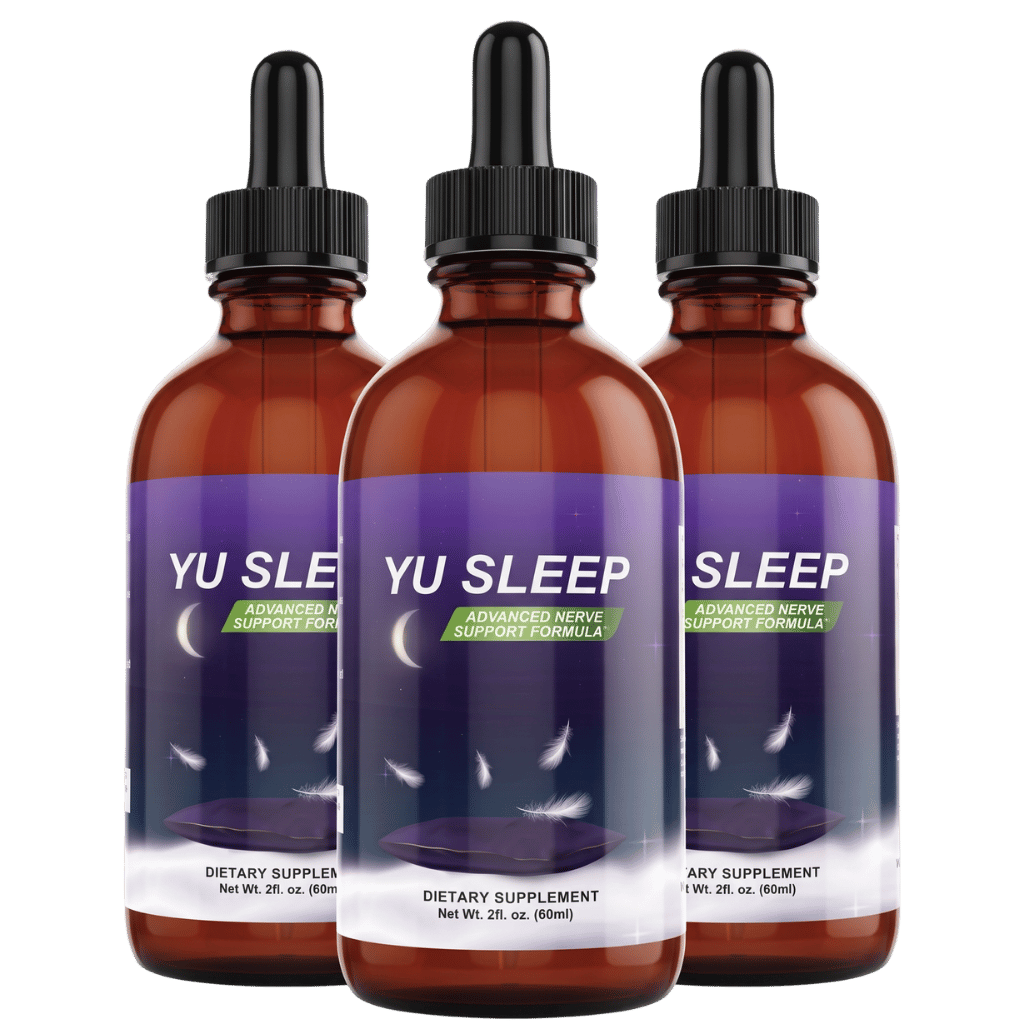
YU Sleep could cause side effects or medication interactions because its reviewed 2 mL serving contains 0.9 mg melatonin plus a seven-ingredient blend that includes 5-HTP, magnesium glycinate, L-theanine, GABA and calming botanicals. Potential concerns include next-day sleepiness, headache, dizziness, nausea and interactions with certain prescription medicines. These are ingredient-related possibilities, not measured side-effect rates for YU Sleep itself.
The difference matters. YU Sleep has a clear appeal: two droppers about 30 minutes before bed rather than several separate products. But a routine meant to make evenings simpler should not leave you wondering whether it fits the medication you already take—or whether you’ll feel alert the next morning.
Here is what the evidence actually supports: the melatonin dose is disclosed, while 5-HTP and six other blend ingredients share a 637 mg total with no individual amounts. That limits dose-specific safety comparisons. The available medical references describe plausible effects and interactions of ingredients, not clinical testing or a verified adverse-event rate for this finished liquid.
Product facts are from the Supplement Facts image and directions documented in PRM’s YU Sleep Research Dossier (source check August 6, 2026). Ingredient safety context: NCCIH melatonin guidance and Memorial Sloan Kettering on 5-HTP. No independent finished-product safety trial was identified in the source set reviewed.
Understand the possibilities, not an invented frequency
What are the most relevant YU Sleep ingredient side effects?
Melatonin and 5-HTP are the most consequential ingredients to screen first. Melatonin has relatively well-described short-term adverse effects; 5-HTP warrants particular care around serotonin-active medicines. The other blend components may contribute to digestive or calming effects, but their individual YU Sleep doses are unknown.
| Ingredient / group | Relevant potential effect | Why a buyer should care |
|---|---|---|
| Melatonin — 0.9 mg disclosed | Sleepiness, headache, dizziness and nausea have been reported with melatonin supplements in short-term research. | Plan for bedtime use; consider alertness the next morning and interaction with other sedating products. |
| 5-HTP — amount undisclosed | Nausea, vomiting or diarrhea; less commonly headache or palpitations. Important interaction potential with serotonin-active medicines. | Medication review is particularly important before purchase, especially for antidepressant users. |
| Magnesium glycinate — amount undisclosed | Supplemental magnesium can cause diarrhea, nausea or abdominal cramping at higher intakes. | The blend weight cannot reveal how much elemental magnesium you receive or predict digestive tolerance. |
| L-theanine, GABA, lemon balm and apigenin | They contribute to the formula’s calming positioning, but product-specific combined sedation and tolerability are unmeasured. | Do not assume a familiar botanical or amino acid is interaction-free, especially alongside sedatives. |
| Red tart cherry, vitamins B2/B6 and other ingredients | Individual allergies or sensitivities are possible; the reviewed label also includes flavorings, erythritol and other excipients. | Check the entire label if you have relevant food, flavoring or excipient sensitivities. |
The table is a screening guide, not a forecast of what will happen to you. The studies and medical references concern individual ingredients, often in different doses or preparations. PRM has not measured the frequency, severity or cause of side effects among YU Sleep purchasers.
Sources: NCCIH: melatonin safety · MSKCC: 5-HTP adverse effects · NCCIH: magnesium and sleep approaches.
The dose you can actually read
Can 0.9 mg of melatonin make you groggy the next morning?
Yes, next-day sleepiness is a possible melatonin-related concern, even though YU Sleep lists 0.9 mg rather than a higher advertised dose. NCCIH describes sleepiness, dizziness, headache and nausea among adverse effects reported in short-term adult studies. A disclosed dose helps you understand the label; it does not predict how your body will respond.
What the label helps you know
A measurable melatonin amount
Unlike the seven-ingredient blend, the 0.9 mg melatonin amount is stated separately. This makes it possible to discuss the dose precisely rather than guessing how much the liquid provides.
What the label cannot settle
Your next-morning alertness
Sleepiness depends on more than the listed amount: timing, other medicines, sleep opportunity and individual sensitivity matter. The completed multi-ingredient product was not independently assessed for morning functioning in the evidence PRM reviewed.
If you need to be fully alert after taking the product—for an overnight shift, late-night driving or operating machinery—it may not be an appropriate time to use a bedtime supplement. Do not use the label’s 30-minute timing as proof that any effect ends by morning.
NCCIH — melatonin adverse effects and uncertainty · NHS — melatonin and alertness.
The interaction that deserves special attention
Can the 5-HTP in YU Sleep interact with antidepressants?
Yes. 5-HTP is a serotonin precursor, and Memorial Sloan Kettering advises people taking medicines that affect serotonin to avoid 5-HTP without supervision from their treating clinician. Examples include SSRIs, MAO inhibitors, tricyclic antidepressants and other serotonergic medicines. Its presence in YU Sleep is confirmed by the reviewed label; its individual dose is not disclosed.
This is not an allegation that YU Sleep has caused serotonin syndrome. It is an ingredient-based precaution: 5-HTP can interact with medicines and, in certain combinations, excessive serotonin activity can become serious. Published case reports involving 5-HTP and other medications cannot be used to calculate a YU Sleep-specific risk.
Symptoms such as agitation, confusion, fever, shivering, fast heartbeat or poor coordination in someone using serotonin-active products may require urgent medical assessment, especially when several symptoms occur together. Those are reasons to seek care, not a self-diagnosis of an adverse reaction to this product.
Memorial Sloan Kettering — 5-HTP, serotonin-active medicines, reported reactions.
When your evening routine includes more than one product
Can YU Sleep be combined with sleeping pills, alcohol or other sleep supplements?
Do not assume combining them is safe. Melatonin may increase drowsiness when used with medicines that promote sleep, and YU Sleep also contains several ingredients selected for nighttime use. Alcohol can further affect judgment and alertness. The full combination has not been evaluated in a controlled interaction study in the reviewed evidence.
Prescription or OTC sleep aids
Review sedating combinations
Medicines such as benzodiazepines or prescription hypnotics already affect alertness. Check with your prescriber or pharmacist before adding a melatonin-and-botanical supplement; don’t stack products to chase sleep.
Another melatonin product
Count your total exposure
YU Sleep’s labeled 0.9 mg is not the total you would take if you also use a melatonin gummy, tablet or another nighttime blend. Avoid accidental duplication and follow individualized advice.
Alcohol and late-night duties
Protect your ability to function
A bedtime aid should not accompany a plan to drive, supervise machinery or remain on call while impaired. Avoid drinking alcohol with melatonin and seek advice if your schedule makes sleep-support timing complicated.
NHS — medicines and supplements that interact with melatonin · NHS — alcohol, sleepiness and driving.
A useful medication check before comparing prices
Which medications make a YU Sleep safety review especially important?
Serotonin-active medicines and drugs that cause sedation should be checked first. Other medications, including blood thinners, seizure treatments and blood-pressure medicines, can also matter because of melatonin or the broader ingredient profile. The table distinguishes the reason to review each category rather than claiming an interaction has been confirmed for every YU Sleep buyer.
| Medication context | Evidence-based concern | Best next step |
|---|---|---|
| SSRIs, MAOIs, tricyclics and other serotonergic drugs | 5-HTP may interact with serotonin-active medication; the product dose is undisclosed. | Obtain clearance from the clinician managing that medicine before any purchase or use. |
| Sleep medicines, benzodiazepines, sedating antihistamines or opioids | Melatonin can add to drowsiness from certain medications; combined effects with YU Sleep are untested. | Have a pharmacist review the whole medication list and avoid unsupervised stacking. |
| Warfarin and other medicines affecting clotting | Federal and clinical references flag anticoagulant-related cautions with melatonin. | Discuss with the prescriber; do not assume a supplement is irrelevant to bleeding management. |
| Epilepsy or antiseizure medications | Melatonin use warrants medical supervision in people with epilepsy; medication interactions may occur. | Seek individual advice rather than making a change to seizure treatment or adding the supplement yourself. |
| Blood-pressure medicines or several long-term prescriptions | Melatonin may interact with some blood-pressure medicines; multi-drug situations can create further uncertainty. | Ask the treating clinician or pharmacist to check the complete label and timing. |
Not every category means automatic incompatibility; some mean professional review before deciding. In particular, a clinician should not be expected to assess the 5-HTP dose as if it were published: the reviewed YU Sleep label does not provide that number.
MSKCC — 5-HTP interactions · NCCIH — melatonin and medicine cautions · NHS — interaction categories.
The safety meaning of an undisclosed dose
Does YU Sleep’s 637 mg proprietary blend establish a safe dose?
No. The 637 mg is the combined amount of seven ingredients, not a safety ceiling, a tested dose for the full formula or an indication of how much 5-HTP or magnesium you receive. The reviewed label specifies the 2 mL liquid volume and separate 0.9 mg melatonin amount, but neither number supplies the missing individual blend doses.
For example, magnesium studies can report amounts of elemental magnesium. A 637 mg blend that merely lists magnesium glycinate cannot tell you the product’s elemental-magnesium intake. The same evidence gap applies to studies of L-theanine, GABA or lemon balm at stated doses.
The practical trade-off: a prepared liquid formula removes the inconvenience of choosing and measuring seven separate ingredients. In exchange, it gives the buyer less precision about each one. That may be acceptable when personal suitability is clear, but it becomes a meaningful reason to pause if medication interactions or a precisely controlled dose matter to you.
Beyond melatonin and 5-HTP
What should buyers know about magnesium, GABA, L-theanine and the botanicals?
These ingredients help explain YU Sleep’s nighttime positioning, but familiar names are not a substitute for dose and interaction data. The available evidence for various sleep outcomes is limited or mixed, and the undisclosed individual quantities prevent confident predictions about the finished product’s tolerability.
Magnesium glycinate
A mineral with dose-dependent digestive considerations
Higher supplemental-magnesium intakes can cause diarrhea, nausea or cramping. YU Sleep does not disclose its magnesium amount or elemental-magnesium content, so it is not responsible to assign those outcomes a YU Sleep-specific probability.
GABA + L-theanine
A calming rationale, not a measured combined-sedation profile
Both appear in sleep-related research, sometimes in combinations. The YU Sleep formulation and doses differ from tested protocols, and PRM found no independent trial measuring the safety of this exact blend. Consider other sedating products in your routine.
Lemon balm + apigenin
Botanical familiarity does not remove uncertainty
These are recognizable relaxation-oriented ingredients. The reviewed label does not show the individual amounts or establish how they behave together with melatonin and 5-HTP in this product. Ingredient sensitivity and concurrent medication use still deserve attention.
Red tart cherry and other ingredients
Read the whole label, not just the headline blend
The liquid also lists sweeteners, flavors and stabilizers. They may matter to buyers with particular sensitivities. The presence of cherry does not establish how the separate melatonin dose was sourced.
The goal is not to make an ingredient list sound threatening. It is to let the buyer identify the handful of questions that would actually change whether the product is a sensible choice.
NCCIH — magnesium, sleep and supplement safety · PRM — source-linked YU Sleep formula evidence.
Know when to pause the purchase
Who should avoid using YU Sleep without individual medical advice?
People with relevant medications, underlying health conditions or circumstances where supplement safety is less certain should ask a qualified professional first. This is especially relevant for a nighttime formula that combines melatonin with 5-HTP and other undisclosed-dose ingredients.
Pregnancy, breastfeeding and minors
Do not extrapolate from healthy-adult research
The available product evidence does not establish safety for pregnancy, nursing or children. A product positioned for adult bedtime use should not be given to a child or used in these circumstances without appropriate professional guidance.
Epilepsy, autoimmune or other conditions
Individual medical factors can change the answer
Clinical references flag particular precautions with melatonin in people with epilepsy and selected medical conditions. A routine that seems simple to one person may require a different assessment for another.
Serotonergic or sedating medicine
Check interactions before considering checkout
5-HTP and melatonin create different interaction questions. If you take antidepressants, sleep medicine or several regular prescriptions, present the full ingredient list to your clinician or pharmacist.
Persistent insomnia or symptoms of sleep apnea
Find the cause, not just a bedtime product
Regular gasping, loud snoring, significant daytime sleepiness or chronic difficulty sleeping warrant proper assessment. Supplements are not an alternative to diagnosing and treating an underlying sleep disorder.
Even if none of these categories applies, consider personal sensitivities and the current bottle’s complete labeling. A safety decision should be about the individual user, not a generalized claim that all-natural ingredients are safe.
A practical response, not panic
What should you do if you notice an unwanted reaction after taking YU Sleep?
Stop taking the product if you develop a concerning new symptom and seek medical advice based on its severity. A symptom after use does not prove the supplement caused it. Still, ignoring an unexpected reaction because the product is labeled natural is not an appropriate response.
| What you notice | Why it matters | Appropriate response |
|---|---|---|
| Mild nausea, stomach upset, headache or dizziness | These are recognized possible effects of some relevant ingredients. | Stop use; ask a clinician or pharmacist if symptoms persist, recur or concern you. |
| Unusual next-day drowsiness | Alertness may be affected by melatonin or sedating combinations. | Do not drive or operate machinery while impaired; seek advice before considering further use. |
| New rash or suspected sensitivity | An allergic or sensitivity response is possible with many products. | Discontinue and seek medical advice; breathing difficulty, swelling of the throat or severe allergy signs require emergency care. |
| Agitation, fever, confusion, shivering or fast heartbeat with serotonergic medicine use | A cluster of symptoms can be consistent with a serious serotonin-related reaction; other causes are possible. | Seek urgent medical evaluation. Do not try to self-treat or diagnose serotonin syndrome. |
| Seizure, collapse, severe breathing difficulty or chest pain | These can signal a medical emergency regardless of cause. | Contact emergency medical services immediately. |
Keep the bottle, ingredient label, dose timing and the names of other medicines available for healthcare professionals. If you suspect an adverse event, appropriate reporting channels can help document it, but no reporting database by itself establishes causation or a product-wide rate.
MSKCC — 5-HTP adverse reactions · NHS — melatonin effects and emergency signs.
Safety includes the reason you cannot sleep
Can YU Sleep replace care for chronic insomnia or sleep apnea?
No. YU Sleep is a dietary supplement, not an established treatment for chronic insomnia, sleep apnea or another diagnosed sleep disorder. NCCIH notes that clinical guidance has recommended against melatonin as treatment for chronic insomnia, while cognitive behavioral therapy for insomnia (CBT-I) is a strongly recommended treatment approach.
If you regularly wake gasping, snore heavily, struggle to function during the day or continue having sleep difficulty despite reasonable changes to your routine, identifying the underlying cause matters more than choosing a bottle count. That is not a criticism of the product; it is a boundary around what a bedtime supplement can responsibly claim.
NCCIH — clinical context for insomnia, sleep apnea and CBT-I.
The morning after matters, too
A better bedtime decision should still feel right when the alarm rings.
Think about the night before a morning you cannot miss: an early drive, a full day with people depending on you, a meeting where you need your attention from the first minute. You’ve prepared what you can, and you want the evening to be simple.
That’s where a two-dropper routine can sound genuinely appealing. The bottle is easy to use, the melatonin amount is clear and there is no row of separate jars to measure. But the quiet question is reasonable: Will I feel like myself when it’s time to get up?
The answer cannot come from a slogan about gentle ingredients. It comes from checking your medicines, understanding the full formula and being realistic about uncertainty. If those questions are resolved, simplicity becomes more valuable. If they are not, postponing the purchase is a more confident decision than hoping the fine print won’t matter.
Feeling informed before bedtime is part of the routine you’re choosing. You shouldn’t have to trade tomorrow’s alertness for a promise that hasn’t been clinically established.
Choose by personal fit—not by reassurance alone
Is YU Sleep a reasonable product to consider for your bedtime routine?
It can be a reasonable product to compare when the full formula fits your circumstances and you are comfortable with the unknown blend doses. Its clearly labeled liquid serving and measured melatonin amount are practical strengths. Its main safety limits are personal medication interactions and the absence of finished-product safety data in the reviewed evidence.
Consider the offer if…
A simple routine and the formula both fit
- You are an adult looking for a straightforward two-dropper bedtime format rather than a proven medical treatment.
- You understand the disclosed 0.9 mg melatonin amount and the seven undisclosed individual blend doses.
- You have no unresolved medication-interaction or ingredient-sensitivity concerns.
- You can use a bedtime product without compromising driving, work or caregiving responsibilities.
- You are comfortable reviewing current checkout and return terms without assuming guaranteed results.
Pause and review first if…
The safety questions are not yet settled
- You take antidepressants or other serotonin-active medicines, or regularly combine sedating products.
- You use blood thinners or seizure medication, or have a relevant health condition.
- You are pregnant, breastfeeding or considering this supplement for someone under 18.
- You require individual 5-HTP, magnesium, GABA or L-theanine amounts before use.
- You need help with chronic insomnia, suspected sleep apnea or significant daytime sleepiness.
From uncertainty to a decision you can defend
Comfortable with the ingredients and your medication check? Compare the actual YU Sleep offer.
The most useful takeaway is simple: YU Sleep provides 0.9 mg of disclosed melatonin and one two-dropper evening step, while seven supporting ingredients sit inside a shared 637 mg blend. Medication compatibility and the unknown individual doses are the questions to settle—not something a discount can solve.
If the formula is appropriate for you and you want a prepared liquid bedtime routine, review the current package choices and confirm the exact charge, seller and return requirements. Choose the quantity that fits your commitment rather than assuming the largest bundle is the safest or most sensible starting point.
Four checks that make the purchase more manageable
What should you verify before purchasing YU Sleep?
Confirm the actual label, your medication context, the timing of use and the commercial terms. Those four checks do more to reduce preventable uncertainty than reading another unverified claim about a perfect night’s sleep.
01 / Formula
Read the current Supplement Facts
Look for 0.9 mg melatonin per 2 mL and the seven-ingredient 637 mg blend documented by PRM. If the seller’s current label differs, use the current physical-label information as controlling evidence.
02 / Interactions
Bring your full medicine list
Ask about 5-HTP, melatonin and any other supplements you already take. A clinician needs the complete formula, not just its sleep-support headline.
03 / Routine
Choose a suitable bedtime window
The reviewed directions say two full droppers about 30 minutes before bed. Do not exceed the label or take the supplement when you must remain alert.
04 / Purchase
Verify total, retailer and returns
PRM’s previously documented checkout is historical. Confirm package count, shipping, billing, current refund conditions and the payment provider before you buy.
Our final safety assessment
Is YU Sleep safe enough to consider buying?
YU Sleep is worth evaluating as a purchase only when the formula is appropriate for the individual buyer; the available evidence does not justify calling it universally safe or free of side effects. Its appeal is a measured 0.9 mg melatonin dose and a simple liquid bedtime ritual. That is a clear product advantage in convenience, not a medical safety guarantee.
The decisive considerations are specific: 5-HTP can be problematic with serotonin-active drugs; melatonin may affect alertness and interact with other medicines; and the seven-component proprietary blend hides each individual dose. None of those facts proves the product will cause a reaction, but they identify exactly what an informed buyer should resolve.
PRM’s recommendation is to check suitability first, then compare the current offer if the product still makes sense. For a buyer with unresolved interactions, a health condition or persistent sleep symptoms, the responsible choice is to seek individualized advice before spending money.
Questions worth answering before checkout
YU Sleep side effects, interactions and safety: FAQs
Does YU Sleep cause side effects?
Potential side effects are plausible because YU Sleep contains melatonin, 5-HTP and other active ingredients. Ingredient-level references describe possible sleepiness, headache, dizziness, nausea and other concerns. PRM did not identify an independent finished-product study that establishes YU Sleep’s adverse-event rate.
What is the melatonin dose in YU Sleep?
The reviewed Supplement Facts panel lists 0.9 mg of melatonin per 2 mL serving. Check the actual bottle if the label changes.
Can YU Sleep make you sleepy the next day?
Next-day drowsiness is a possible melatonin-related concern. The formula also contains other nighttime ingredients, but the complete product has not been independently tested for next-morning alertness in PRM’s reviewed evidence. Do not drive or operate machinery while drowsy.
Can YU Sleep cause headaches or dizziness?
Headache and dizziness have been reported with melatonin supplements. That does not establish whether YU Sleep itself causes either symptom or how often. Seek medical advice for persistent, severe or concerning symptoms.
Can YU Sleep cause nausea or stomach discomfort?
Nausea is a recognized possible effect with melatonin and 5-HTP, and higher supplemental-magnesium intakes can cause digestive complaints. YU Sleep’s 5-HTP and magnesium doses are not separately disclosed, so a product-specific probability cannot be calculated.
Does YU Sleep contain 5-HTP?
Yes. The reviewed label lists 5-HTP from Griffonia seed extract within the seven-ingredient 637 mg blend. Its individual amount is not disclosed.
Can I take YU Sleep with an SSRI or other antidepressant?
Do not combine YU Sleep with serotonin-active medication without approval from the clinician managing that medication. The 5-HTP ingredient may interact with SSRIs, MAOIs, tricyclics and other serotonin-active medicines.
Is serotonin syndrome a documented YU Sleep side effect?
PRM did not identify a YU Sleep-specific case or incidence rate. Serious serotonin-related reactions have been reported with 5-HTP in certain medication combinations. That supports caution, not a claim that every YU Sleep user is at risk or that the product has caused a documented case.
Can YU Sleep be taken with sleeping pills?
Do not assume compatibility. Melatonin can add to drowsiness from certain sedatives and prescription sleep medicines. Ask your pharmacist or prescriber before combining them.
Can I drink alcohol while taking YU Sleep?
It is prudent to avoid alcohol with melatonin because alcohol can interfere with sleep and increase adverse effects or impaired alertness. Seek individual advice if relevant.
Does the 637 mg blend mean the ingredients are at safe doses?
No. That is the total weight of seven ingredients. The label does not provide individual amounts of magnesium glycinate, 5-HTP, L-theanine, GABA, lemon balm, apigenin or tart cherry, so ingredient-specific exposure cannot be calculated.
Is YU Sleep suitable for people taking blood thinners?
Melatonin warrants medical supervision in people taking blood-thinning medication, and interactions can depend on the specific drug. Ask your treating clinician before using the supplement.
What if I have epilepsy or take seizure medication?
People with epilepsy or using antiseizure medication should seek individual medical advice before using melatonin-containing supplements. Do not alter prescribed treatment to accommodate a sleep product.
Can pregnant or breastfeeding people take YU Sleep?
Safety of the complete formula has not been established for pregnancy or breastfeeding. Consult an appropriate healthcare professional and do not rely on healthy-adult ingredient studies as proof of suitability.
Is YU Sleep intended for children?
The reviewed YU Sleep presentation is for adult sleep support, and PRM did not verify safety of this blend in children. Keep it out of reach of minors and consult a healthcare professional rather than using it as a child’s sleep aid.
What should I do if YU Sleep makes me feel unwell?
Stop taking it if a concerning new symptom occurs and seek medical advice. Serious symptoms such as breathing difficulty, seizures, collapse or a cluster of agitation, fever and confusion require urgent assessment. Keep the bottle and medication details available for clinicians.
Is YU Sleep proven to treat chronic insomnia or sleep apnea?
No. PRM did not identify a finished-product trial establishing treatment for these conditions. Persistent insomnia or suspected sleep apnea should be medically evaluated; CBT-I is an evidence-based treatment for chronic insomnia.
Where can I check the complete formula and buying terms?
Read the YU Sleep Research Dossier and full Review. The separately prepared Ingredients Guide explains the 0.9 mg melatonin and 637 mg blend. Confirm any guide link is live before publication and verify the actual offer at the managed checkout destination.
Evidence provenance and uncertainty
How PRM evaluated YU Sleep side effects and safety
Pro Review Metric began with the reviewed Supplement Facts image and use directions documented in the YU Sleep Research Dossier (original source check August 6, 2026), cross-checking the corresponding YU Sleep Review. That record establishes a 2 mL serving, 0.9 mg melatonin, 0.5 mg each of vitamins B2 and B6, and seven ingredients sharing a 637 mg proprietary blend. No independent lab assay of the currently sold bottle, individual blend doses or finished-product safety trial was available in the consulted evidence.
Medical context was assessed using the U.S. National Center for Complementary and Integrative Health (NCCIH), Memorial Sloan Kettering’s 5-HTP monograph and NHS guidance on melatonin interactions and effects. The described concerns relate to ingredients, specific patient populations or medication combinations. PRM did not convert them into a rate of side effects for YU Sleep, claim an ingredient-level case report occurred with YU Sleep, or establish that the current retail formula is unchanged from the documented label.
This Guide does not provide a diagnosis, individual medication approval or dosing instructions beyond the documented label. It also does not claim that PRM purchased, ingested, laboratory-tested or independently evaluated the clinical performance of YU Sleep. Seller prices and guarantees vary; purchase terms and the managing retailer were not independently reverified for this Safety Guide. The intended market for this editorial analysis is the United States; other jurisdictions can have different rules for melatonin products.
Product evidence: PRM YU Sleep Research Dossier · PRM YU Sleep Review. Clinical and federal references: NCCIH — Melatonin: What You Need To Know · NCCIH — Sleep Disorders and Complementary Approaches · Memorial Sloan Kettering — 5-HTP.
Supplementary medication guidance: NHS — Melatonin · NHS — Melatonin medicine and supplement interactions. The cited pages were consulted November 9, 2026. They are general health references, not YU Sleep clinical endorsements.