Disclosure: We may earn a commission if you purchase through links on this page, at no additional cost to you. Our editorial conclusions are developed independently.
The safety questions worth asking before you buy
Does Audifort have side effects?
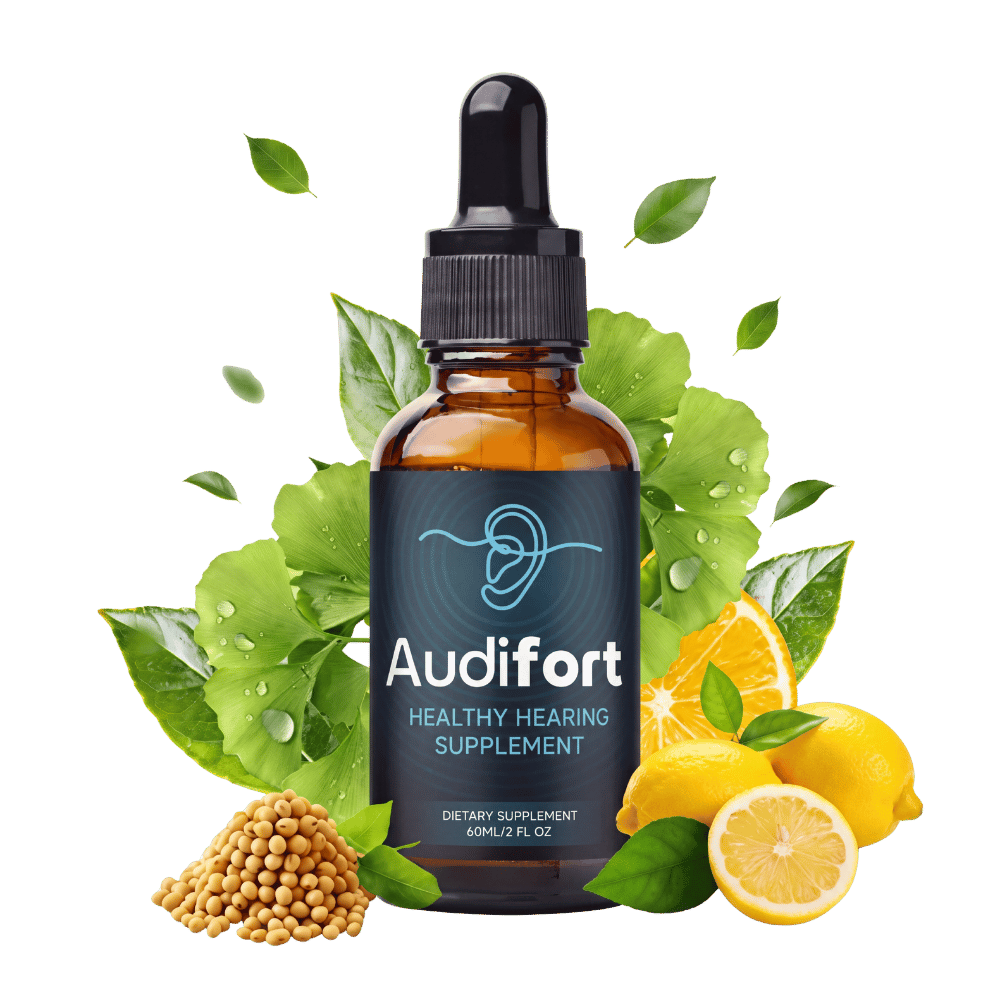
Audifort may cause unwanted effects or interact with medicines because its reviewed label contains guarana, green tea, grapefruit extract, Panax ginseng and other biologically active ingredients. Possible concerns include sleep disruption, digestive discomfort and medication interactions. However, no reliable side-effect rate has been established for the finished Audifort formula in the evidence reviewed by Pro Review Metric.
A liquid dropper can make a daily supplement routine feel refreshingly straightforward. If that format appeals to you, the next step is just as practical: find out whether the ingredients fit your medications, sensitivities and everyday life before making it part of the day.
The reviewed label gives us a useful starting point: chromium at 0.7 mcg plus 22 named components sharing one 200 mg proprietary blend per labeled 1 mL serving. The complete list lets you identify ingredients worth checking, even though their individual amounts and the caffeine content are not disclosed.
Formula and serving information: PRM Audifort Research Dossier. Independent ingredient safety evidence is not a controlled trial of the finished Audifort product.
Separate an everyday symptom from a real interaction
Which Audifort ingredients deserve the closest safety review?
The first priorities are grapefruit for possible medication interactions, guarana and green tea for stimulant exposure, and ginseng for sleep and medicine-related concerns. L-tryptophan and a licorice-related compound make the full list relevant to people using certain medicines or managing blood pressure. These are screening priorities, not verified adverse reactions caused by Audifort.
| Label ingredient | Evidence-based safety question | Most relevant for |
|---|---|---|
| Grapefruit fruit extract | Grapefruit can change blood levels of certain medicines. The effect of this unspecified extract and dose is unknown. | Users of medicines carrying grapefruit warnings, including some statins and cardiovascular drugs. |
| Guarana seed + green tea leaf extracts | Potential caffeine-related insomnia, jitteriness, nausea or palpitations; the blend has no stated caffeine amount. | People sensitive to stimulants or already using coffee, energy drinks or stimulant medicines. |
| Panax ginseng aerial extract | Ginseng preparations may cause insomnia and can have medication or blood-sugar considerations. | People with diabetes, complex medication routines or sleep sensitivity. |
| L-tryptophan | A serotonin precursor; review with a clinician when serotonergic medicines are used. A quantified Audifort-specific interaction is not established. | People using antidepressants or other medicines affecting serotonin. |
| Monoammonium glycyrrhizinate | A licorice-derived compound. Licorice/glycyrrhizin-related blood-pressure and potassium concerns warrant context, but the amount here is unknown. | People managing blood pressure, potassium balance, heart conditions or diuretic use. |
| Other botanicals, amino acids and chromium | The ingredient list is broad, but there are no reliable product-specific rates or individually quantified blend exposures. | Anyone with allergies, pregnancy-related questions, chronic conditions or multiple supplements. |
Not every item in this table will matter equally to every reader. Someone with a grapefruit-restricted prescription has a different priority from someone whose main concern is sleep. Start with the ingredient that could change your own decision, then use the rest of the label as a checklist.
Independent references: FDA — grapefruit and medicines · MSK — guarana · NCCIH — Asian ginseng.
The interaction question comes first
Can Audifort interact with prescription medication?
Potentially, yes—but which interaction matters depends on the medicine and on ingredients whose amounts Audifort does not reveal. For example, the FDA documents clinically important interactions between grapefruit and some medicines. Its evidence largely concerns grapefruit fruit or juice; the label’s unidentified quantity of grapefruit extract cannot be treated as an equivalent exposure.
For that reason, a warning against grapefruit on your prescription is a practical reason to show the complete Audifort label to your pharmacist before trying it. The right response is not to stop your prescribed medicine or assume the supplement is harmless because the grapefruit is part of a blend.
Grapefruit-related screening
The prescription label is the starting point
FDA examples include certain cholesterol-lowering drugs, some blood-pressure medicines, certain transplant medicines and several other prescriptions. Not every drug in those categories interacts.
Ask whether your specific medication has a grapefruit restriction and whether this product’s unspecified extract calls for avoidance.
Other medication contexts
Review the whole blend, not one headline herb
Ginseng, green tea and guarana have their own published interaction considerations. If you use blood-sugar medicines, cardiovascular treatment, anticoagulants or other ongoing prescriptions, a medication-specific review is more useful than a generic “safe” badge.
No direct drug-interaction study of the full Audifort blend was identified in the PRM evidence record.
One question worth asking a pharmacist: “I’m considering this liquid supplement. With my current prescriptions and this exact ingredient list, is there anything I should avoid or monitor?” Bring the label rather than relying on a list of the seller’s featured ingredients.
FDA grapefruit interaction guidance · NIH ODS — supplements, medications and safety.
The everyday tolerability question
Could guarana and green tea in Audifort affect sleep, anxiety or heart rate?
They may be relevant for people sensitive to caffeine. Guarana seeds contain caffeine, and green tea naturally contains caffeine. At sufficient exposure, caffeine can contribute to insomnia, restlessness, upset stomach and a racing heartbeat. Audifort does not list a caffeine quantity, so there is no responsible basis for predicting whether one serving produces those effects—or how often.
Guarana seed extract
The stimulant ingredient worth noticing
Guarana is commonly used in energy-focused supplements. Memorial Sloan Kettering identifies nausea and sleep disturbance among possible reactions; concerns at higher exposures can include changes in heartbeat and blood pressure.
Practical relevance: if your usual coffee already makes you shaky or disrupts sleep, review this ingredient before adding another unknown caffeine source.
Green tea leaf extract
More than a familiar beverage
The NCCIH notes digestive effects and potential medication interactions with certain concentrated green tea products. Rare liver injury reports concern chiefly extracts, often in tablet or capsule form—not a demonstrated finding for Audifort.
Practical relevance: ingredient form and actual dose matter; Audifort’s label does not let us compare its green tea exposure with those reports.
Panax ginseng
Sleep and glucose deserve context
Insomnia is a commonly reported ginseng-related effect. Some preparations may influence blood sugar or interact with medications, but Audifort lists aerial extract without its amount, not the standardized root preparations used in much of the research.
Practical relevance: if sleep or glucose control is already a concern, get individualized advice rather than interpreting “botanical” as automatically gentle.
For a stimulant-sensitive buyer, this is the practical takeaway: check your other caffeine sources and ask about the formula before committing to a daily routine. Audifort’s caffeine amount is not disclosed, so calling it either stimulant-free or high-caffeine would be unjustified.
MSK — guarana · NCCIH — green tea · NCCIH — ginseng.
Less obvious, still worth recognizing
What about L-tryptophan, the licorice-derived compound and blood pressure?
Two less-prominent ingredients become important when you look at particular medications or health conditions. Audifort lists L-tryptophan, which participates in serotonin production, and monoammonium glycyrrhizinate, a licorice-derived compound. Their individual amounts are not disclosed, so the right question is which precautions apply to you—not how alarming the names sound.
Serotonin-related medicines
Check L-tryptophan alongside antidepressants
The UK’s medicines regulator lists tryptophan itself among substances that can increase serotonergic effects when combined with SSRIs. MedlinePlus likewise advises people taking sertraline to discuss tryptophan-containing nonprescription products with their clinician. These sources support a medication check; they do not establish an interaction at Audifort’s undisclosed L-tryptophan amount.
If you use an SSRI, SNRI, MAOI or another serotonergic medicine, bring the exact Audifort label to your prescriber or pharmacist before considering it. Do not stop or change prescribed treatment on your own.
Blood pressure and potassium
The licorice connection needs dose context
Licorice and glycyrrhizin exposures have been linked to elevated blood pressure and low potassium, especially with substantial or prolonged intake. That literature does not prove the same outcome for Audifort’s undisclosed quantity of monoammonium glycyrrhizinate.
If you take diuretics, cardiac medicines or blood-pressure treatment—or have a condition affecting potassium—ask about the relevance of this ingredient instead of guessing its dose.
Drug-interaction references: MHRA — SSRIs and tryptophan interactions · MSK — licorice · MedlinePlus — sertraline precautions.
The label’s most consequential unanswered number
Does the 200 mg proprietary blend tell us if Audifort is safe?
No. The 200 mg is a combined weight per labeled 1 mL serving, not an individual safety assessment for 22 components. Chromium is listed separately at 0.7 mcg. A number that makes the formula easier to identify does not tell us how much grapefruit, guarana, ginseng or glycyrrhizinate is present.
The reviewed label states one or two full droppers daily, while seller material has described a two-dropper routine. The volume of a “full dropper” has not been independently measured in this record. It would therefore be misleading to claim that two droppers always equal exactly 2 mL or deliver a precisely doubled amount of each active ingredient.
What is actually documented
A readable starting point
The physical label records 1 mL per Supplement Facts serving, 60 labeled servings per bottle, 0.7 mcg chromium and a 200 mg total blend. It gives you a specific product identity to compare with the bottle being offered.
What still needs checking
The current instructions and dropper markings
Verify the exact product panel, volume calibration, suggested use and any cautions on the bottle you receive. If an online seller describes different serving information, request clarification before treating it as the same version.
In a safety decision, this is not a minor technicality. You should never increase intake to chase a seller’s claimed hearing outcome. Follow the current package directions, and seek medical guidance where the use instructions or suitability are unclear.
Confidence in a daily routine should be earned
The easy part is adding drops. The important part is knowing they fit your life.
Maybe you started looking at hearing-wellness products because a daily routine sounded easier than sorting through another list of tablets. You want something that takes a moment, then lets you get back to the rest of your day.
That is a reasonable preference. But perhaps your day already includes a prescription in the morning, coffee before work, or the effort of keeping your sleep on track. Suddenly, the ingredient list matters in a different way.
Will the caffeine-bearing herbs bother me? Does grapefruit matter with my medication? Am I overlooking something just because it comes in a small dropper?
You do not need to imagine the worst outcome to take those questions seriously. A careful decision can be simple: check the ingredients that matter for you, clarify the serving and choose only if the answer fits.
The right supplement routine should not require you to ignore a question that could have been answered before checkout.
A practical plan before and after starting
What should you check before buying Audifort—and what if you notice a reaction?
For a new supplement, a little preparation is more valuable than trying to interpret every possible symptom in advance. Use these checks to decide whether the product deserves a place in your routine.
Medication list
Check for interactions before you order
Include prescription medicines, over-the-counter drugs and other supplements. Grapefruit restrictions, stimulant sensitivity and glycyrrhizin-related concerns are reasons to involve a pharmacist or clinician.
Personal tolerance
Consider sleep, caffeine and allergies
Guarana and green tea are relevant if stimulants already affect you. Review known sensitivities to the listed botanicals, natural flavors and other liquid ingredients rather than focusing only on highlighted marketing ingredients.
Bottle and directions
Match the label to the researched product
Compare the complete ingredient list and verify 1 mL serving information, dropper markings, current directions and caution language. Don’t guess the volume of an unmarked dropper.
Observe responsibly
Know when to stop and get help
If you develop a new concerning symptom after taking a supplement, stop using it and seek medical advice. Get urgent care for severe allergic symptoms, chest pain, fainting, major breathing difficulty or severe neurological symptoms.
If you’re under 18, pregnant, breastfeeding or managing a known medical condition, the reviewed Audifort label advises consulting a physician before using dietary supplements. The absence of a product-specific reaction rate is not evidence that those groups have been studied adequately.
For sudden hearing loss or a sudden major change in hearing, seek urgent medical evaluation rather than trying a supplement first. Audifort is not a substitute for tinnitus or hearing-loss assessment.
NIH ODS — supplement safety · PRM — reviewed label and research record.
For whom does the balance make sense?
Who should consider Audifort—and who should hold off?
Audifort’s appeal is straightforward: a liquid routine with a broad, identifiable ingredient list. Once you’ve checked the interactions that matter to your circumstances, you can judge that convenience on its own merits. Safety questions should help you choose well—not leave every buyer with the same answer.
Reasonable to explore
Consider the current offer if…
- You prefer liquid drops and find the reviewed 22-component formula practical.
- You have checked your complete medicines and supplement list for relevant interactions.
- You understand that product-specific adverse-event frequencies and individual blend doses are unknown.
- The bottle directions, ingredients and current seller terms are clear to you.
- You view Audifort as a dietary supplement, not a clinically proven hearing treatment.
Resolve these first
Pause or compare alternatives if…
- You use a medicine with a grapefruit restriction or have an unresolved drug interaction.
- You are highly caffeine-sensitive or have unmanaged sleep, heart-rhythm or blood-pressure issues.
- You take serotonergic medication or have medical concerns involving potassium, glucose or liver function that require individualized review.
- You are pregnant, breastfeeding, under 18, or unsure whether the formula fits your health circumstances.
- You need a product with known individual doses or robust finished-product safety data.
PRM’s recommendation: If your medication and health questions are resolved and a dropper-based routine fits your preferences, examining the current Audifort offer is a reasonable next step. Check that the bottle and purchase terms match what you’ve reviewed. If an interaction is still unresolved, get that answer before you buy.
From the ingredient list to a clearer decision
Know what matters to your health before you decide what belongs in your routine.
You’ve narrowed a long ingredient list down to the questions that matter: your prescriptions, sensitivity to stimulants, current bottle directions and whether this formula fits an ordinary day.
If the compatibility checks are clear and you like the simplicity of liquid drops, take a closer look at the current Audifort offer. Compare the bottle and instructions with the label you’ve researched, then check the merchant and terms before choosing. The link opens an offer to evaluate; it does not preselect a package or promise a health result.
The bottom line on safety
So, is Audifort safe to take?
Audifort’s safety is not a yes-or-no answer for every buyer. Its ingredient list points to specific precautions, while the reviewed evidence does not provide a finished-product side-effect frequency. What matters now is whether any of those precautions applies to you.
Someone who has cleared the relevant checks may reasonably want to explore the liquid formula. Someone with a grapefruit-restricted medicine or unresolved health concern has a different next step: ask a professional first. Both decisions are better informed than guessing from a product’s marketing.
Frequently asked safety questions
Audifort side effects and interactions: FAQs
Does Audifort cause side effects?
Side effects are possible because Audifort lists biologically active botanicals and other compounds. Ingredient research raises questions about stimulants, gastrointestinal tolerance and medication interactions, but PRM has not identified a reliable adverse-event rate for the finished Audifort product.
What are the most important Audifort ingredients to review for safety?
Grapefruit, guarana, green tea, Panax ginseng, L-tryptophan and the licorice-derived compound monoammonium glycyrrhizinate are important screening points for certain users. Their individual amounts are not printed on the reviewed label.
Does Audifort contain caffeine?
Audifort lists guarana and green tea, which can contain caffeine. The Supplement Facts panel reviewed by PRM does not provide a measured caffeine amount, so the content and likely effect per serving cannot be calculated.
Could Audifort keep me awake?
Possibly, if you are sensitive to caffeine-bearing ingredients. Guarana and green tea can be relevant to sleep, although Audifort-specific insomnia frequency has not been established.
Can Audifort raise blood pressure?
Some listed ingredients, including stimulant-bearing botanicals and a licorice-related compound, have blood-pressure considerations in other contexts. That does not prove Audifort raises blood pressure at its undisclosed individual doses. If blood pressure is a concern, obtain medication-specific advice first.
Is the grapefruit extract in Audifort a problem with statins?
Grapefruit can interact with certain statins, not every statin. The effect of Audifort’s unspecified grapefruit extract is unknown. Ask a pharmacist about the exact drug you take before adding the supplement.
Can I use Audifort while taking antidepressants?
Ask your prescriber or pharmacist to check the full label. Audifort lists L-tryptophan, which is related to serotonin metabolism, but direct clinical interaction evidence for the finished formula has not been established. Do not stop or alter a prescribed antidepressant on your own.
Does Audifort contain licorice?
The reviewed blend lists monoammonium glycyrrhizinate, a licorice-derived compound; it does not list licorice root as a separate herb. Its amount is undisclosed, and side effects reported with other licorice preparations cannot be assigned directly to Audifort.
Could Audifort cause stomach upset or nausea?
Digestive symptoms can occur with some botanical ingredients, including concentrated green tea products and guarana preparations. This is a possible tolerability consideration, not a documented incidence rate for Audifort.
Can Audifort cause liver problems?
Rare liver injury has been reported with some green tea extract products, especially certain concentrated preparations. That evidence does not establish that Audifort causes liver injury. Anyone with liver disease or concerning symptoms should seek professional evaluation rather than extrapolating from ingredient names.
Is Audifort safe during pregnancy or breastfeeding?
Safety has not been established for those groups in PRM’s reviewed evidence. The product’s reviewed caution advises pregnant or nursing mothers to consult a physician before using dietary supplements. Do not infer safety from natural marketing language.
Can children or teenagers take Audifort?
The reviewed caution advises people under 18 to consult a physician. This Guide does not establish pediatric suitability or a pediatric dose.
Can I take Audifort with other supplements or energy drinks?
Combining products can increase overlapping ingredient or stimulant exposure. Because Audifort does not state its caffeine amount or individual blend doses, review all the products you use with a clinician or pharmacist when relevant.
Is one dropper safer than two?
It cannot be determined from the record. The label uses a 1 mL serving and permits one or two full droppers daily, but PRM has not independently verified the volume of a full dropper or measured dose-related adverse effects. Follow the current bottle instructions and seek professional guidance when unclear.
What if I feel unwell after taking Audifort?
Stop using the supplement and speak with a healthcare professional if a new symptom concerns you. Seek urgent care for severe breathing trouble, major allergic symptoms, chest pain, fainting or other severe symptoms. Preserve the product label for assessment.
Does Audifort have long-term safety studies?
PRM has not identified a product-specific long-term clinical safety study of the finished formula in its reviewed evidence. Research on separate ingredients cannot establish a long-term safety profile for the complete proprietary blend.
Should I buy Audifort after reading this safety guide?
If the liquid routine appeals to you and your medications, health conditions and sensitivities have been appropriately considered, inspecting the current offer may be reasonable. If an interaction question remains unresolved, seek guidance before purchasing. See the Audifort Review and Research Dossier for the complete product assessment.
Our research approach
How PRM evaluated Audifort’s potential side effects
Pro Review Metric started with the physical Supplement Facts panel documented in its Audifort Research Dossier and the existing Review. Those records establish the declared ingredients, chromium amount, combined proprietary-blend weight and label directions. They do not establish a clinical side-effect rate.
We reviewed ingredient-level evidence from the FDA, NIH/NCCIH, Memorial Sloan Kettering, the UK MHRA and MedlinePlus. The MHRA and MedlinePlus address tryptophan alongside serotonergic medicines directly; no such interaction has been demonstrated at Audifort’s unknown ingredient dose. The sources also do not establish that the licorice-related findings occur with this finished product.
We did not administer Audifort, test a bottle, verify laboratory composition, inspect manufacturer adverse-event reports or conduct a formal medication-interaction assessment for an individual. The seller’s current formula, directions, merchant and affiliate terms may change; a buyer should check the actual product and transaction before ordering.
PRM source record: Audifort Research Dossier · Audifort Review · Editorial methodology.
Independent safety sources: FDA — Grapefruit and Medications · MSK — Guarana · NCCIH — Green Tea · NCCIH — Asian Ginseng.
Interactions and interpretation: MSK — Licorice · MHRA — SSRI interaction guidance · MedlinePlus — sertraline and tryptophan.