Disclosure: We may earn a commission if you purchase through links on this page, at no additional cost to you. Our editorial conclusions are developed independently.
Inside the 1 mL coffee routine
What ingredients are in Java Burn 2.0?
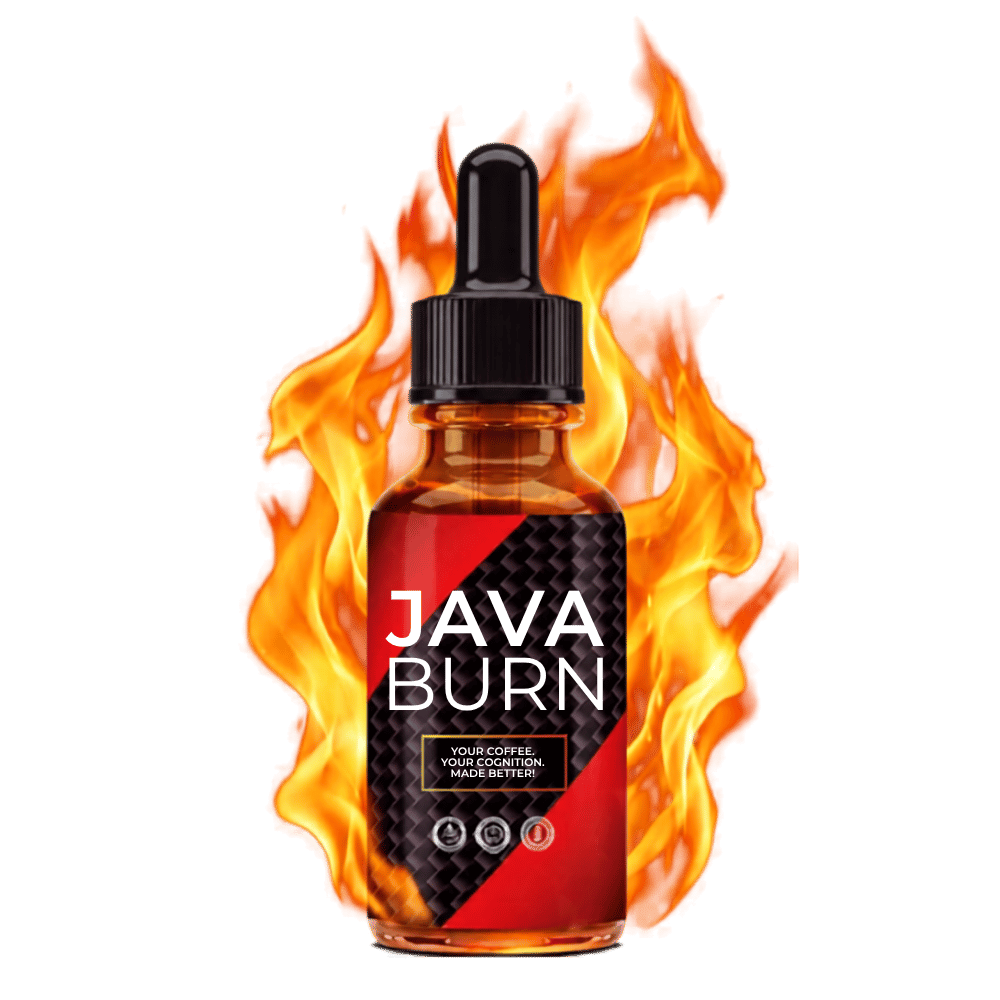
The physical Java Burn 2.0 liquid label reviewed by Pro Review Metric lists vitamin D (20 mcg), vitamin B6 (1 mg), vitamin B12 (5 mcg) and chromium (20 mcg), plus a 550 mg proprietary blend of green tea leaf extract, green coffee bean extract, L-carnitine and L-theanine. One dropper (1 mL) is the labeled daily serving; each bottle provides 30 servings. The four blend ingredients are named, but their individual amounts are not disclosed.
For someone who already enjoys morning coffee, Java Burn 2.0 has an immediate practical appeal: its labeled serving is one measured dropper added to a familiar cup. That makes the product easier to picture in everyday life than a separate powder packet or another supplement time to remember. The format is a convenience feature, not a guarantee of changes in body weight.
And the formula is not just a routine idea. The label identifies vitamins D, B6 and B12, chromium, and a blend built around green tea, green coffee, L-carnitine and L-theanine. You can see the intended combination at a glance; the important next step is understanding how much the label actually tells you about its doses.
Formula basis: PRM’s September 2026 physical-label record and the seller’s Java Burn 2.0 liquid support article. The two sources disagree about chromium’s chemical form; the physical label controls the composition presented here.
Begin with the bottle, not the marketing story
What does the current Java Burn Supplement Facts label actually say?
The reviewed liquid bottle discloses a 1 mL serving, 30 servings and five main lines of quantitative information: vitamin D, B6, B12, chromium and the combined proprietary blend. There are four named constituents inside that blend, but no separate milligram line for each one. This table follows the physical label documented by PRM, rather than ingredient quantities circulated for the older powder.
| Label entry | Amount or status per 1 mL | What this tells a buyer |
|---|---|---|
| Vitamin D3 · cholecalciferol | 20 mcg · 100% Daily Value | An individually disclosed nutrient; not evidence of a weight-loss effect. |
| Vitamin B6 · pyridoxine HCl | 1 mg · 58% Daily Value | A quantified vitamin involved in normal metabolism. |
| Vitamin B12 · methylcobalamin | 5 mcg · 208% Daily Value | Clearly identified form and amount; extra B12 is not automatically extra energy. |
| Chromium · picolinate on physical label | 20 mcg · 57% Daily Value | Dose disclosed; seller support instead names chloride, so verify the exact bottle supplied. |
| Proprietary blend · combined | 550 mg total | The one shared weight for the four following ingredients—not 550 mg of each. |
| Green tea leaf extract | Within 550 mg; individual dose undisclosed | No specific catechin, EGCG or caffeine amount. |
| Green coffee bean extract | Within 550 mg; individual dose undisclosed | No verified chlorogenic-acid quantity. |
| L-carnitine | Within 550 mg; individual dose undisclosed | Cannot be compared directly with gram-level trial dosing. |
| L-theanine | Within 550 mg; individual dose undisclosed | Coffee-focus rationale is plausible; the actual theanine amount is unknown. |
| Other ingredients | Water, flavor, stevia extract, xanthan gum, citric acid | Non-active formulation ingredients identified, without individual quantities. |
One important correction to online ingredient lists: Java Burn is not a 550 mg dose of green tea plus a separate 550 mg dose of green coffee, L-carnitine and L-theanine. The entire four-part mixture weighs 550 mg. Claims that assign exact ingredient-by-ingredient amounts to this liquid require a different, authenticated label or a manufacturer disclosure.
PRM physical label and evidence ledger · Java Burn 2.0 support ingredient list.
The four components behind the coffee positioning
What do green tea, green coffee, L-carnitine and L-theanine contribute?
These four ingredients give Java Burn its most distinctive formula identity: tea and coffee extracts tied to metabolism research, an amino-acid-related nutrient associated with fatty-acid transport, and L-theanine associated more with attention and calm-focus research. They are relevant reasons someone might consider the formula. Their presence alone does not establish a clinically effective combination at the amounts Java Burn supplies.
Tea-derived extract
Green tea: catechins and caffeine context
Human trials have explored green tea catechins and caffeine in weight management. Average weight effects have generally been small or inconsistent. Java Burn does not state its green-tea or EGCG content, so a research result cannot be mapped to this serving.
Coffee-derived extract
Green coffee: chlorogenic-acid rationale
Green coffee extracts have been studied for modest weight-related outcomes, with major quality and dose questions. Java Burn lists green coffee but not a chlorogenic-acid milligram amount; it cannot be assumed to match a trial extract.
Fatty-acid transport
L-carnitine: recognizable, but dose matters
Carnitine participates in cellular transport of long-chain fatty acids. Weight-management trials often use much larger daily quantities than the entire 550 mg Java Burn blend; its precise L-carnitine dose is unknown.
Coffee experience
L-theanine: a calmer-focus research angle
Studies of L-theanine, sometimes combined with caffeine, more directly concern selected attention and mood outcomes than weight loss. A potential fit with morning coffee is conceptually appealing, but the product’s theanine dose is not shown.
Put together, these ingredients explain the product concept behind a morning cup: green tea and green coffee provide the botanical identity, L-carnitine adds a familiar metabolism-related component, and L-theanine fits the coffee-experience theme. For the buyer, the appeal is an identifiable combination in one small serving instead of several separate supplement steps. The clinical evidence still needs to be judged ingredient by ingredient.
A familiar ingredient does not guarantee a familiar dose
Does Java Burn contain enough green tea or green coffee to match research?
The label does not provide enough information to answer that for either extract. Green tea and green coffee are clearly listed, but their individual weights, extract standardizations and key compound amounts are not. Knowing that the shared mixture weighs 550 mg does not reveal how much of it belongs to either plant.
NIH’s Office of Dietary Supplements summarizes generally small or uncertain weight changes from green-tea products, with results depending on preparation, dose, caffeine exposure and population. Green-coffee studies have also reported modest signals, but much of the literature has limitations. Those findings show why researchers are interested in the ingredients—not what the current Java Burn bottle will accomplish.
This distinction is especially important with chlorogenic acid. Green coffee bean extract is not interchangeable with a known number of milligrams of isolated chlorogenic acid. The supplier would need to disclose the extract’s amount and composition before a buyer could confidently compare it with a particular clinical intervention.
NIH ODS — Dietary Supplements for Weight Loss · PRM’s evidence appraisal and PubMed references.
The clearest numerical limit in the blend
How much L-carnitine is in Java Burn’s 550 mg blend?
The exact L-carnitine amount is not disclosed. It must be less than the full 550 mg shared blend if the other three named ingredients are present in positive amounts. That provides a useful upper boundary even without a full proprietary formula breakdown.
PRM’s research dossier discusses a 2020 meta-analysis in which carnitine trials included much larger doses and a dose-response analysis indicated an effect around 2,000 mg per day. A Java Burn serving containing a total of 550 mg for four ingredients combined cannot deliver 2,000 mg of L-carnitine in that one serving.
This is not a claim that the ingredient has no activity at lower doses. It is a precise reason not to borrow a gram-level trial result and advertise it as the demonstrated outcome of this coffee dropper.
For a buyer, the choice becomes simple: Java Burn is a convenient finished combination with limited dose disclosure, not an interchangeable replacement for a study using a known standalone L-carnitine amount.
Designed for the ritual, not proof of a new outcome
What does L-theanine add when Java Burn is mixed with coffee?
L-theanine gives the formula a plausible focus-and-coffee rationale, but its individual dose is unavailable. Research on theanine alone and alongside caffeine has explored some attention, mood and stress-related outcomes. It does not establish that the complete Java Burn 2.0 liquid suppresses appetite or improves weight loss.
For someone who enjoys coffee but dislikes adding more steps to the morning, L-theanine also makes the formula’s positioning easier to understand: it is an ingredient studied in some caffeine-and-attention settings. It does not establish what a particular Java Burn serving will do, but it helps explain why the ingredient belongs in this coffee-oriented combination.
There is another practical issue: the coffee itself may contribute more caffeine than the supplement, depending on brew size and strength. Green tea and green coffee extracts may also contribute caffeine, but Java Burn’s label does not state their caffeine quantity. People sensitive to stimulants should consider the entire combination, not treat the dropper as caffeine-free.
PRM theanine evidence review · NIH ODS caffeine and green-tea context.
What the label quantifies without ambiguity
What do vitamin D, B6, B12 and chromium add to the formula?
The vitamin-and-mineral layer is the most transparent part of the Java Burn formula. Unlike the proprietary blend, each of these four lines has a clear amount on PRM’s documented label. Their normal biological roles make sense in a metabolism-oriented supplement, but they should not be presented as evidence of significant fat loss in a person who already gets enough of these nutrients.
| Nutrient | Label amount | Evidence-aware buying interpretation |
|---|---|---|
| Vitamin D3 | 20 mcg (100% DV) | Supports normal nutritional needs. NIH finds no good clinical basis for taking vitamin D solely to promote weight loss. |
| Vitamin B6 | 1 mg (58% DV) | Participates in normal metabolism; the presence of B6 is not proof of a Java Burn-specific energy or weight outcome. |
| Vitamin B12 | 5 mcg (208% DV) | Important for normal cell and nerve function. Supplemental B12 does not reliably increase performance in people without deficiency. |
| Chromium | 20 mcg (57% DV) | Clearly quantified; NIH reports minimal average weight effects. Physical label says picolinate, support text says chloride. |
The chromium difference is worth noticing, not dramatizing. The photographed physical product reviewed by PRM lists chromium picolinate. The official Java Burn 2.0 liquid help article lists chromium chloride, at the same 20 mcg amount. These are not the same chemical form. The reviewed physical panel is the basis for this Guide; a buyer receiving another label version should compare it before use.
NIH ODS — Vitamin D · NIH ODS — Vitamin B12 · NIH ODS — Chromium and weight.
The precision question behind the supplement label
Is Java Burn’s 550 mg proprietary blend fully transparent?
Only partly. The identity of the four blend ingredients and their combined 550 mg mass are disclosed, but their proportions are not. That matters if you want to compare an ingredient to human studies, to another supplement or to your existing intake.
What is known
Four names and one precise combined figure
Green tea, green coffee, L-carnitine and L-theanine are named together. The blend totals 550 mg per 1 mL serving. Vitamins D, B6, B12 and chromium are quantified separately.
What remains undisclosed
Individual doses, standardization and stimulant content
No green-tea catechin/EGCG level, green-coffee chlorogenic-acid amount, individual L-carnitine or L-theanine dose, or blend-derived caffeine quantity is provided on the reviewed label.
Think of the label as giving you the recipe’s ingredient names and the total weight of one part of the recipe, but not how much of each ingredient goes into that part. That is still useful information; it is simply less than what is needed for rigorous dose comparisons.
Our recommendation is not to treat “proprietary” as an automatic disqualification. For a buyer prioritizing ease of use, a combined formula can be attractive. For a buyer who needs every ingredient’s exact amount, this is a legitimate reason to choose a more transparent product.
Older powder pages are not the controlling label
Is Java Burn a liquid or powder, and why do ingredient lists differ online?
The Java Burn 2.0 product documented in PRM’s September 2026 physical-label and checkout record is a liquid dropper product. One 1 mL dropper is added to morning coffee. Some older official seller pages and help-center answers still describe a powder in packets, including quantities that do not match this liquid blend.
This is why the product version matters. The seller’s older powder help page lists individual extract and amino-acid amounts, while its dedicated 2.0 liquid help page identifies a 550 mg combined blend. Copying powder figures into a liquid review would create a formulation that the physical Java Burn 2.0 label does not support.
The seller also promotes the new liquid as easier to mix and potentially more bioavailable. Those are seller claims. PRM has not identified a published head-to-head Java Burn trial showing that the liquid delivers better clinical outcomes or faster meaningful effects than the older powder.
The simple buyer check is to inspect the actual bottle, Supplement Facts, directions and seller offer being purchased. If the page or package shows pouches and stick packs instead of a 30-serving liquid dropper, do not assume the same composition or the same route applies.
Seller 2.0 liquid ingredients · Seller older powder ingredients · Seller’s liquid-format positioning.
Evidence beyond an appealing ingredient list
Are Java Burn’s ingredients clinically proven to cause weight loss?
Human research exists for several individual ingredients, but PRM did not identify a randomized clinical trial establishing weight loss from the complete current Java Burn 2.0 liquid formula. That is the decisive scientific boundary. Ingredient-level results also depend on dose, extract type, trial duration and participants—details not fully matched by this product’s 550 mg blend.
| Ingredient or category | What independent evidence suggests | Can the current Java Burn dose be matched? |
|---|---|---|
| Green tea extract | Some trials find small weight-related changes; results are inconsistent and not necessarily clinically meaningful. | No; individual dose, EGCG/catechin content and caffeine amount are not given. |
| Green coffee bean extract | Some modest signals, with important study-quality and standardization limitations. | No; extract and chlorogenic-acid quantities are not disclosed. |
| L-carnitine | Weight-related trials have often used gram-level amounts, with generally modest average effects. | No; the whole four-ingredient blend is only 550 mg. |
| L-theanine | More relevant research concerns selected attention, stress and mood measures, especially alongside caffeine. | No; both theanine dose and coffee caffeine exposure vary or are unstated. |
| Vitamins and chromium | Nutritional roles are established, but robust Java Burn-specific weight outcomes are not. | Their amounts are known; the published outcomes cannot be assigned to this whole product. |
Here is the useful distinction: the ingredient list gives Java Burn a coherent reason to exist, while the research does not establish a weight-loss outcome for its finished liquid blend. You can evaluate the product for the formula and the ease of adding it to coffee without confusing that preference with a clinical promise.
PRM research dossier with systematic reviews and clinical-trial references · NIH ODS — Weight-loss supplement evidence.
Making the formula part of a real morning
What is the advantage of Java Burn’s one-dropper coffee routine?
Java Burn’s clearest day-to-day advantage is that the habit is already there. If you usually make coffee in the morning, a measured 1 mL addition fits into that moment. There is no separate midday serving or powder packet to manage in the documented liquid format. For buyers who struggle to maintain complicated supplement routines, that simplicity is a meaningful reason to consider the product.
A familiar anchor
Your regular coffee stays the starting point
The current physical label directs use with morning coffee. Attaching the supplement to a repeated habit may feel easier than building an entirely new routine from scratch.
A compact serving
One 1 mL dropper instead of multiple steps
Thirty labeled servings per bottle make the format simple to plan. A straightforward direction can matter as much as an ingredient list when deciding what you will realistically use.
A specific preference
A liquid coffee add-in, not a capsule stack
Some buyers prefer a dropper over pills or powder. That is a format preference, not independent proof of superior absorption or efficacy.
A manageable trade-off
Easy to use, less exact to evaluate by dose
The formula fits a coffee ritual neatly, but the undisclosed split of the 550 mg blend leaves some ingredient-level questions open. Knowing both sides helps avoid regret.
The seller describes the liquid as mixing easily and not materially changing the coffee experience. Those are product-positioning statements, not independently tested PRM sensory findings. If you care about taste or compatibility with your brewing method, confirm the actual instructions on the bottle you receive.
A small daily action can still deserve a deliberate choice
What should a coffee drinker consider about caffeine and ingredient safety?
The product is not established as caffeine-free. The physical label lists green tea and green coffee extracts without quantifying caffeine, and Java Burn is designed to be taken with coffee, whose caffeine content can vary. Anyone who is highly sensitive to caffeine should evaluate the combined routine carefully.
The reviewed label also says not to exceed the recommended dose, not to use the product under age 18 or during pregnancy or nursing, and to consult a physician before use when taking medications or managing a medical condition. Green-tea extracts have a documented safety literature, including uncommon liver concerns with concentrated preparations; the undisclosed dose prevents product-specific risk quantification.
These cautions do not turn an ingredient article into a medical diagnosis. They tell you when convenience should take second place to suitability. If you take diabetes medication, have a liver condition or experience stimulant sensitivity, review the full label with a clinician before considering the offer.
Current seller label warnings · NIH ODS safety and interaction evidence.
When the routine is the reason you are interested
One extra step with coffee should feel simple—not like another promise to keep.
There are mornings when even a sensible health plan feels too elaborate. Coffee is made between getting dressed, answering a message and thinking about everything the day already needs from you. Another bottle on the counter can become one more thing to forget.
That is where Java Burn’s current format has a practical appeal. One measured dropper fits beside a familiar cup. You don’t have to invent a separate time of day, change what you carry to work or turn breakfast into a checklist.
The appeal is not a dramatic new ritual. It is having one less routine to build. The label still deserves a careful read, but the format itself makes sense for someone who wants a straightforward addition to the coffee they already enjoy.
When the formula fits your health needs and you are comfortable with what the label does—and does not—disclose, the purchase decision becomes more practical: would you use this one-dropper routine consistently, and would the supply fit your budget?
A qualified choice, not an indiscriminate recommendation
Who is the Java Burn 2.0 ingredient formula best suited for?
Java Burn 2.0 is most relevant to an adult who already drinks morning coffee, prefers a measured liquid to separate pills or powders, and likes the named ingredient combination. The trade-off is clear from the label: individual nutrient amounts are disclosed, while the four-ingredient blend is not broken down by dose. Buyers with medication or stimulant questions should resolve them before ordering.
A reason to compare the offer
You value the formula and the ritual it fits
You already drink morning coffee, prefer one 1 mL addition over a separate supplement routine, and are comfortable knowing the four active blend ingredients without exact individual milligrams. You have checked suitability and want to compare a longer supply on its actual cost.
A reason to pause or choose differently
You need exact doses or have a material health question
You require known EGCG, chlorogenic-acid, carnitine or theanine quantities, have stimulant or medication concerns, or expect a clinically proven weight-loss effect from the finished liquid. The currently documented label cannot resolve those questions.
For the right buyer, the proposition is specific: a measured liquid serving, familiar coffee- and tea-associated ingredients, and a routine that does not require another time of day. Once you are comfortable with the formula and its labeling limits, the next useful comparison is no longer abstract ingredient research—it is how much supply you want and what today’s checkout charges.
A buying decision should follow the formula decision
Is the Java Burn six-bottle offer worth comparing after reviewing ingredients?
For a buyer who already wants a longer supply, six bottles offered the lowest documented cost per bottle in PRM’s September 2026 U.S. checkout record. That record showed a $294 product-and-shipping total for six bottles—$49 per bottle—compared with higher unit prices for the smaller offers. Those are historical transaction observations, not today’s guaranteed checkout figures.
That is where a longer package can become appealing. If Java Burn’s liquid format genuinely suits your routine and you want multiple months of supply, the historical six-bottle offer rewards that preference with a lower unit cost. The larger purchase is sensible because you want the supply—not because buying more makes the formula more effective. For a smaller commitment, compare the other package totals.
PRM also documented a one-time, no-autoship purchase structure and a 60-day money-back presentation in the September route. Public seller materials differ on the detailed starting date and physical-return requirements, so verify the live terms before treating the guarantee as purchase protection.
The complete Java Burn Review covers the original price and checkout comparison; the Research Dossier provides the clinical-evidence trail. This Ingredients Review answers the question that should come first: does the actual label fit what you are buying it for?
For buyers who understand the 550 mg trade-off
A simple coffee add-in, with the ingredients clearly understood.
You have seen what is inside Java Burn 2.0 and why the liquid format may fit a coffee drinker: one 1 mL serving, separately disclosed nutrients and a named tea-and-coffee blend. If those ingredients suit you and the convenient daily routine is what you are looking for, comparing the current packages is the natural next step. In PRM’s September 2026 U.S. checkout record, six bottles offered the lowest unit price for buyers who wanted longer supply; a smaller package involves less money upfront. Check the live liquid version, retailer, total and return terms before deciding. This button does not preselect a package.
Four checks worth making on the real offer
What should you verify before ordering Java Burn 2.0?
Product version
Is the offer for 1 mL liquid drops?
Make sure the destination sells the version you actually evaluated. Powder pouches and liquid droppers should not be treated as identical labels.
Actual label
Does the ingredient panel match your expectations?
Check the 550 mg combined blend, 30 servings and chromium form. Save a copy of the displayed Supplement Facts for the version ordered.
Price and commitment
Do you want that many bottles?
Compare today’s total, freight, merchant, any optional items and one-time billing. A lower unit price only helps if you genuinely want the supply.
Return rules
Can you meet the actual 60-day terms?
Read the seller and retailer policies for the current transaction, including start date, unopened containers and shipping responsibility. Older support wording may describe a different package format.
Specific answers about the liquid formula
Java Burn ingredients and coffee-mix questions, answered
What ingredients are in Java Burn 2.0?
The physical liquid label reviewed by PRM lists vitamin D3, vitamin B6, vitamin B12 and chromium in disclosed amounts, plus a combined 550 mg blend of green tea leaf extract, green coffee bean extract, L-carnitine and L-theanine.
How much of the Java Burn proprietary blend is in one serving?
550 mg total per 1 mL serving. The figure covers all four named blend ingredients together, not 550 mg of each one.
What is Java Burn’s daily serving size?
The documented Java Burn 2.0 liquid label directs one full dropper, equivalent to 1 mL, to be added to morning coffee. Each reviewed bottle contains 30 labeled servings.
How much green tea extract does Java Burn contain?
The individual amount is not disclosed. Green tea leaf extract is one of four ingredients sharing the 550 mg blend. Its catechin, EGCG and caffeine contents are also not quantified.
How much chlorogenic acid is in Java Burn?
The reviewed liquid label lists green coffee bean extract but does not quantify chlorogenic acid. No specific chlorogenic-acid dose can be inferred from the shared blend total.
Does Java Burn contain L-carnitine?
Yes. L-carnitine is named in the 550 mg blend, but its individual dose is not shown. The entire blend is below gram-level doses used in many standalone carnitine trials.
What does L-theanine do in Java Burn?
L-theanine is included in the blend and has human research relevant to attention and mood, sometimes with caffeine. Its dose here is unknown and its presence does not demonstrate weight loss from the finished product.
What vitamins are in the current Java Burn liquid?
Vitamin D3 at 20 mcg, vitamin B6 at 1 mg and vitamin B12 at 5 mcg per 1 mL, based on the documented physical panel. These nutrients have normal biological roles but are not proof of a weight-loss result.
Does Java Burn contain chromium picolinate?
PRM’s photographed physical Java Burn 2.0 label identifies chromium as picolinate, 20 mcg. The official liquid support article says chromium chloride at the same amount. Because the forms differ, verify the actual bottle label before use.
Does Java Burn contain caffeine?
The label lists green tea and green coffee extracts but does not state a caffeine quantity. Because Java Burn is added to coffee, it should not be described as confirmed caffeine-free.
Is Java Burn still sold as powder packets?
Some official pages continue to describe the older powder product. The product documented in PRM’s September 2026 Java Burn 2.0 Review is a 1 mL liquid dropper version. Verify the current offer’s format before ordering.
Are the Java Burn ingredients clinically proven for weight loss?
Some individual ingredients have been studied in humans, with mostly small or uncertain results. PRM did not identify a randomized trial establishing a weight-loss effect for the complete current Java Burn 2.0 liquid. The undisclosed blend split also prevents trial-dose matching.
Is liquid Java Burn proven to absorb better than powder?
The seller promotes faster absorption and other advantages for liquid Java Burn, but PRM did not identify a controlled comparison demonstrating clinically meaningful superiority over the former powder formulation.
Who should be cautious with Java Burn’s ingredients?
The physical label advises against use under age 18 or during pregnancy/nursing and recommends consulting a physician before use if taking medication or managing a medical condition. Coffee and botanical extracts also matter for caffeine sensitivity.
Does Java Burn replace a healthy diet or medical weight-management plan?
No. It is a dietary supplement and its complete formula has not been established as a weight-loss treatment. Formula suitability, routine preferences and ordinary dietary and medical care remain separate decisions.
What should I compare before buying Java Burn?
Confirm the live liquid product, ingredients and chromium form, current checkout total and merchant, return conditions and bottle count. In PRM’s historical U.S. record, six bottles led on unit price for buyers who wanted longer supply, but current terms must be verified.
Sources, dates and the limits of this review
Our Java Burn ingredient methodology and primary references
Pro Review Metric prepared this Ingredients Review using the approved Java Burn Review and Java Burn Research Dossier. Those source records document PRM’s September 13–14, 2026 examination of a physical Java Burn 2.0 Supplement Facts panel, the one-dropper daily direction, 30 servings per bottle, four separately quantified nutrients and a 550 mg shared four-ingredient blend.
We compared that physical-label record with the official seller’s liquid ingredient article, older powder article and liquid-format explanation. The physical panel describes chromium picolinate, while the seller liquid support page describes chloride. We preserve this difference instead of silently reconciling incompatible forms.
Independent context was drawn from the NIH Office of Dietary Supplements weight-loss evidence review, vitamin D guidance, vitamin B12 guidance and the systematic-review references indexed in the PRM dossier. The seller’s affiliate terms were checked on November 12, 2026 for presentation restrictions.
PRM’s historical checkout figures and one-time-order observation come from its September 2026 U.S. route, not a fresh purchase or a new verification of the PRM-managed redirect. No product was consumed or tested by PRM for this Guide; no current batch assay, manufacturer audit, clinical trial of the completed liquid formula, verified personal result or present-day checkout was established. A named ingredient and a published amount do not prove actual contents of every bottle or a particular health outcome.
Scope: This Guide evaluates the ingredients and the coffee-mix decision. The main Review addresses the overall buying choice, while the Research Dossier gives deeper clinical evidence and source details. Planned future Guides will cover safety, seller/checkout verification, pricing and buyer feedback after their own source checks and publication approval.
PRM: Java Burn Review · Java Burn Research Dossier. Seller: Java Burn 2.0 ingredients · Affiliate requirements.
Independent science: NIH ODS — Dietary Supplements for Weight Loss · NIH ODS — Vitamin D · NIH ODS — Vitamin B12.