Disclosure: We may earn a commission if you purchase through links on this page, at no additional cost to you. Our editorial conclusions are developed independently.
The questions to settle before a daily routine
Does VisiFlora have side effects?
VisiFlora may cause side effects or interact with medications, but no reliable adverse-event rate has been established for the finished formula. Its reviewed label calls for one capsule daily and includes ginkgo biloba, grape seed, coleus, alpha-lipoic acid and chromium alongside vitamins and minerals. Of those ingredients, ginkgo deserves particular attention with blood thinners; chromium and alpha-lipoic acid matter when diabetes medication is involved. Possible ingredient-related symptoms include digestive upset, headache or dizziness—not proven rates or expected effects for every VisiFlora user.
The reason this matters is simple. VisiFlora has an appealing product design: one capsule that brings a measured vitamin-and-mineral foundation together with several recognizable eye-nutrition ingredients. It is easy to imagine adding it to your day. But an easy routine should also fit the medicines you already take and the health decisions you have already made.
The right question isn’t whether a supplement can promise zero risk. It’s whether its actual ingredients fit your circumstances well enough to consider buying it. Most readers do not need to become experts on every botanical. They need to recognize the interactions worth checking, understand the label’s own restrictions and know what to do if a reaction occurs.
Product facts and warnings come from PRM’s VisiFlora Research Dossier, which documents the physical label. Ingredient safety and interactions were cross-checked against NIH, NCCIH and Memorial Sloan Kettering resources. This is not a clinical safety trial of VisiFlora.
Start with the actual warning, not a generic promise
What safety directions are printed on the VisiFlora label?
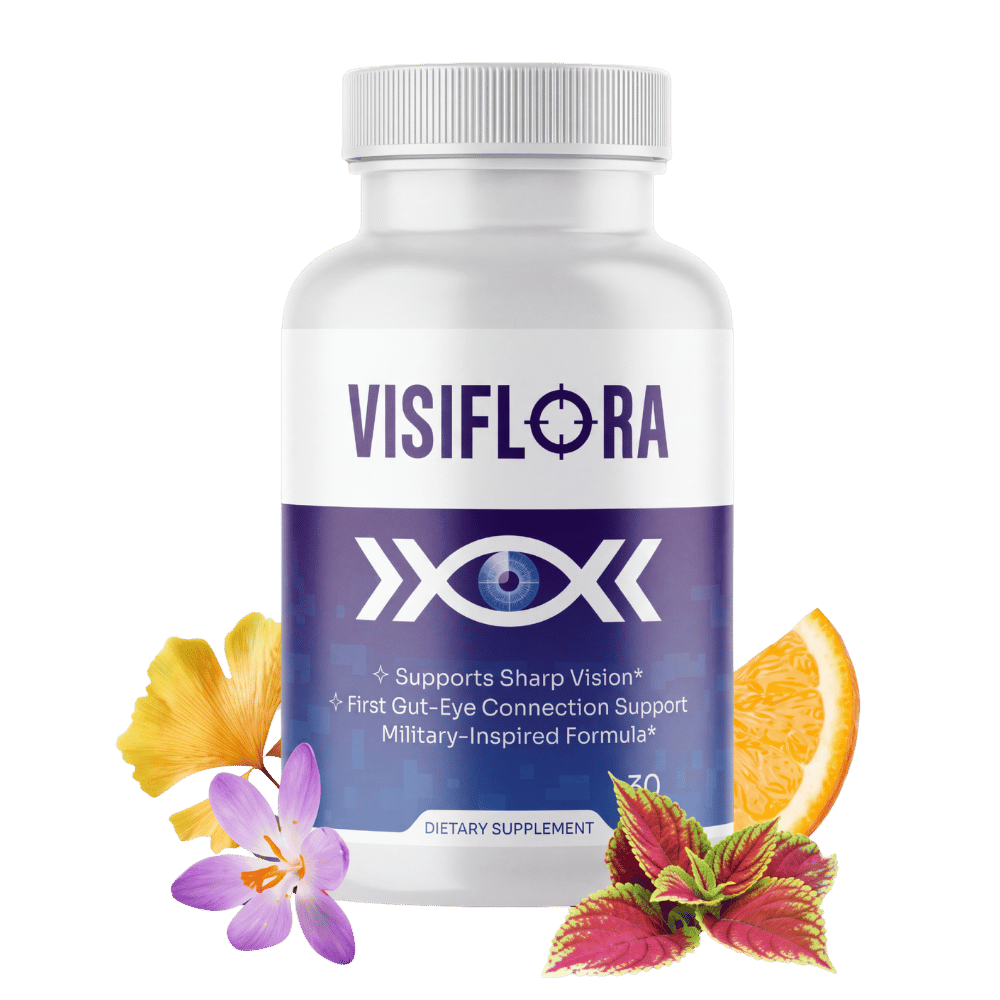
The physical package reviewed by PRM says not to exceed the suggested serving, excludes use under age 18 and during pregnancy or nursing, and recommends consulting a physician when taking medication or managing a medical condition. The labeled serving is one capsule, with thirty servings per bottle. The seller’s public presentation says to take that capsule with a meal and water.
| Label instruction | Practical meaning | Buyer action |
|---|---|---|
| One capsule daily | The intended routine is defined, not an invitation to increase exposure. | Use only as directed on the current bottle; do not double the serving. |
| Adults only | The reviewed label does not recommend use by anyone younger than 18. | Do not give it to children or teenagers. |
| Pregnancy or nursing | The reviewed label excludes these circumstances. | Do not begin use while pregnant or breastfeeding. |
| Medicines or medical conditions | A formula containing multiple botanicals warrants an individual interaction review. | Show the complete current label to a clinician or pharmacist before using it. |
| Do not exceed the dose | More capsules are not a verified route to stronger vision support. | Avoid adding extra servings or combining overlapping supplements without reviewing totals. |
These are meaningful boundaries, not evidence that everyone who tries VisiFlora will react badly. They tell you which decision is yours and which calls for a medical assessment. The one-capsule design is convenient precisely because its intended use is easy to understand—provided it is appropriate for you in the first place.
What the ingredient research actually suggests
Which VisiFlora ingredients raise the most relevant side-effect questions?
Ginkgo, grape seed, coleus, alpha-lipoic acid, chromium and zinc create the clearest practical checkpoints. They do not carry identical risks, and findings on one extract cannot be treated as a measured outcome of this complete capsule.
| Ingredient on the reviewed label | Relevant evidence | Who should check before use |
|---|---|---|
| Ginkgo biloba leaf | Ginkgo leaf extracts may cause headache, dizziness or gastrointestinal symptoms; bleeding concerns exist with anticoagulant drugs. | People using blood thinners, with bleeding concerns or awaiting a procedure. |
| Grape seed extract | Potential antiplatelet effects are mainly supported by experimental research; clinical relevance to this blend is uncertain. | People taking anticoagulant or antiplatelet medications. |
| Coleus forskohlii root | Forskolin research suggests possible blood-pressure and antiplatelet effects, but direct oral human evidence is limited. | People taking blood-pressure medicines or blood thinners. |
| Alpha-lipoic acid | Certain supplemental preparations are associated with nausea and possible lowering of blood glucose. | People using glucose-lowering medicines or prone to low blood sugar. |
| Chromium (15 mcg) | Chromium supplementation can interact with insulin, some diabetes medicines and levothyroxine; evidence is not a risk estimate for this small listed amount. | People managing diabetes or taking thyroid replacement medication. |
| Zinc (11 mg) | Zinc can interfere with absorption of certain quinolone or tetracycline antibiotics when taken together. | People currently prescribed one of those antibiotics. |
Do not interpret this table as a catalog of side effects demonstrated in VisiFlora purchasers. It is a focused screening guide: ingredient-level findings identify a question, while the actual medicine list and health history determine whether that question matters to an individual.
Independent references: NCCIH — ginkgo · MSK — grape seed · MSK — forskolin · MSK — alpha-lipoic acid · NIH ODS — chromium · NIH ODS — zinc.
The interaction worth recognizing first
Can VisiFlora’s ginkgo increase bleeding risk?
Ginkgo can increase bleeding risk when combined with anticoagulant medicines such as warfarin, according to NCCIH. VisiFlora includes ginkgo leaf, but its individual dose is not disclosed; no evidence reviewed by PRM establishes the frequency or size of that risk from VisiFlora itself.
That distinction matters. A buyer who takes a blood thinner should not assume that a small-looking capsule or a botanical marketed for eye support is automatically compatible. Equally, someone who does not take those medicines should not be told that bleeding is a normal or expected outcome of taking VisiFlora.
What is substantiated
Ginkgo–medication caution
Independent health guidance identifies bleeding-related interactions with anticoagulants. Ginkgo leaf extracts can also produce headache, dizziness and stomach discomfort in some users of studied preparations.
What is not established
A VisiFlora-specific bleeding rate
The 351 mg figure covers fourteen ingredients in total. It does not disclose how much ginkgo is present or establish that VisiFlora users experience a given reaction at a known frequency.
Practical decision: If you use warfarin or another anticoagulant, take antiplatelet medicines or have a bleeding disorder, get individualized professional advice before considering the supplement. If you have an upcoming operation or dental procedure, share the ingredient label with your care team rather than stopping prescribed medicine on your own.
A second reason to check your medication list
Can VisiFlora interact with diabetes or thyroid medicines?
Potential interactions deserve attention because the label includes chromium picolinate and alpha-lipoic acid. NIH guidance identifies possible additive glucose-lowering effects with chromium supplements and diabetes medication, while Memorial Sloan Kettering notes blood-glucose concerns with certain alpha-lipoic-acid preparations. Chromium can also reduce absorption of levothyroxine when taken at the same time.
Blood glucose
Insulin and diabetes medication
The relevant question is not whether VisiFlora is a diabetes treatment—it is not established as one. It is whether a supplement containing chromium and alpha-lipoic acid belongs alongside your existing glucose-management regimen.
Next step: Ask the prescriber or pharmacist to assess the full label before starting; do not change prescribed medicine to accommodate the supplement.
Thyroid therapy
Levothyroxine timing
NIH ODS describes reduced levothyroxine absorption when chromium picolinate is taken at the same time in a studied setting. This does not prove the same effect at VisiFlora’s 15 mcg chromium dose.
Next step: If you take thyroid replacement medicine, ask your clinician or pharmacist about whether the formula and timing are appropriate.
Blood pressure
Coleus is a reason to review, not panic
Coleus forskohlii contains forskolin-related compounds. Laboratory findings suggest blood-pressure effects, but oral human evidence remains limited, and VisiFlora’s amount is not individually stated.
Next step: People on blood-pressure drugs or with recurrent lightheadedness should have the combination checked.
Antibiotic treatment
Zinc and medicine absorption
VisiFlora contains 11 mg of zinc. Zinc can interfere with absorption of quinolone and tetracycline antibiotics if taken together, a well-described timing issue in NIH guidance.
Next step: Ask your pharmacist how to separate doses or whether to defer the supplement during treatment.
These are manageable questions when addressed before starting. A practical supplement should fit into your medication plan—not become a reason to experiment with prescriptions or to ignore advice that already keeps you well.
Keep ordinary discomfort separate from medical emergencies
Could VisiFlora cause headaches, dizziness, nausea or an upset stomach?
Those symptoms are plausible from individual ingredients, especially some ginkgo and alpha-lipoic-acid preparations, but PRM has not verified that they occur at a particular rate from VisiFlora. A mixed supplement can affect different people differently, and an unfamiliar symptom should not automatically be blamed on—or dismissed as unrelated to—the capsule.
Often discussed in ingredient references
Digestive discomfort, headache or dizziness
NCCIH lists headache, dizziness and gastrointestinal symptoms with ginkgo leaf extracts. Memorial Sloan Kettering documents nausea and other symptoms for certain alpha-lipoic-acid and forskolin preparations. These are ingredient-level findings.
Needs a different response
Serious or escalating symptoms
Difficulty breathing, facial or throat swelling, fainting, major bleeding or severe symptoms call for urgent care. Do not take more capsules to test whether a reaction will disappear.
If a new symptom appears after you start a supplement, stop the supplement and contact a healthcare professional when appropriate, particularly if symptoms persist or you take medicines. The goal is not to make routine discomfort sound frightening. It is to recognize the difference between ordinary tolerability questions and warning signs that need medical attention.
What the measured nutrients add to the conversation
Are the vitamin and mineral doses in VisiFlora unusually high?
The reviewed label lists commonly recognizable nutritional quantities for seven measured ingredients, not the high-dose AREDS2 regimen. That is useful context, although the whole-product interaction decision still needs to consider the botanical blend and a person’s other supplements.
| Measured ingredient | Label amount | Meaning for safety review |
|---|---|---|
| Vitamin A as beta carotene | 450 mcg RAE | Do not equate this with the high beta-carotene exposures studied in earlier AREDS/smoking-risk contexts. |
| Vitamin C | 90 mg | A declared vitamin dose, not a demonstration of finished-product safety. |
| Vitamin E | 15 mg | Far below the high supplemental vitamin E amounts associated with bleeding concerns; don’t transfer high-dose findings to 15 mg. |
| Zinc | 11 mg | A quantifiable amount that still warrants attention to selected antibiotic interactions. |
| Selenium | 20 mcg | Check total exposure if you also take other multivitamins or mineral products. |
| Copper | 0.9 mg | Include in your overall supplement list; it does not make the formula clinically identical to AREDS2. |
| Chromium | 15 mcg | The amount is stated, but medication interaction screening can still matter in diabetes or thyroid treatment. |
The measured portion of VisiFlora is a reason to evaluate the formula with proportion—not to treat it as an extreme-dose supplement. Its real buying distinction is a simple capsule combining those declared nutrients with additional named ingredients. The safety caveat is not that every ingredient looks dangerous; it is that a complete daily formula belongs in the context of the person’s actual health and medication routine.
Reference context: NIH ODS — vitamin E · NIH ODS — zinc · NIH ODS — chromium · PRM — VisiFlora Ingredients Guide.
Why the label is necessary but not the whole answer
Does VisiFlora’s 351 mg proprietary blend establish a safe dose?
No. It establishes the combined weight of fourteen named components, not the individual dose, standardization or tested exposure of ginkgo, alpha-lipoic acid, coleus or the other ingredients. The total is informative, but it cannot be converted into a percentage risk—or a guarantee of harmlessness.
What the label does well
Names the components and the combined weight
Alongside seven measured nutrients, the panel identifies the blend ingredients and a 351 mg total. That gives buyers and clinicians a real ingredient list to review.
What the label does not establish
Per-ingredient exposure or long-term trial safety
No internal blend split is supplied. PRM has not identified an independent adverse-event study of the completed current VisiFlora formula or verified its multi-month risk rate.
For readers who are healthy adults without relevant medication concerns, this is a disclosure limitation to understand—not a reason to invent alarming outcomes. For someone whose suitability depends on a specific botanical dose, it is a reason to seek professional help or choose a more transparent formula.
Know when the best decision is to ask first
Who should avoid VisiFlora or speak with a clinician before buying?
The reviewed label excludes children, pregnant people and those nursing; it also directs people taking medicines or managing conditions to consult a physician. Independent ingredient guidance makes that advice particularly relevant to anticoagulants, blood-pressure drugs, glucose-lowering therapy, thyroid replacement and some antibiotics.
When comparing the offer can make sense
A potentially suitable adult buyer
- Wants a straightforward one-capsule eye-nutrition routine, rather than a treatment for a diagnosed condition.
- Has reviewed the full label and considered allergies, medicines and other supplements.
- Has resolved any relevant questions with a qualified healthcare professional.
- Understands that ingredient studies are not finished-product safety guarantees.
- Will choose a package only after deciding the formula and commitment are appropriate.
When the next step is not checkout
A reason to postpone or choose differently
- Pregnant or nursing, or younger than eighteen, under the reviewed label restrictions.
- Taking blood thinners or medications with potentially relevant interactions without professional review.
- Experiencing an unexplained new reaction or an unresolved medical issue.
- Seeking to replace prescribed eye treatment, an AREDS2 recommendation or urgent eye care.
- Unable to confirm ingredient suitability or unwilling to accept an incompletely quantified blend.
PRM’s qualified recommendation: If the label fits your circumstances, your medication questions are settled and a daily nutritional supplement is what you actually want, VisiFlora remains a reasonable product to compare. If one of these concerns is unresolved, resolve that first. Confidence should come from knowing the relevant conditions—not from overlooking them.
The question that follows you to checkout
The best feeling before buying isn’t reassurance. It’s knowing what you’ve checked.
Imagine you have already read about the carotenoids and vitamins. One capsule a day sounds manageable. The ingredient list looks interesting, and you can picture the bottle next to the things you already use every morning.
Then you remember a prescription you take, or an appointment coming up, or the fact that supplements have disagreed with you before. Suddenly, the question isn’t whether VisiFlora has enough ingredients. It’s whether this combination belongs in your life as it is right now.
You don’t need to choose between enthusiasm and caution. You can enjoy the idea of an uncomplicated routine while asking a pharmacist about an interaction, checking a label warning or deciding that a different formula is a better fit.
A decision that has room for those questions is more comfortable than an order made while trying to silence them. And if the answers are reassuring for your actual circumstances, you can approach the offer for what it is: a convenient nutritional option, not a medical promise.
What to do if use has already begun
What should you do if you suspect a VisiFlora reaction?
Stop taking the supplement and seek medical advice suited to the symptoms. Keep the packaging available so a clinician can see the ingredient list, serving size and other products or medicines you were using. Do not keep taking extra capsules to see whether the symptoms become clearer.
01 / Notice
Write down what changed
Note when symptoms began, how long they lasted and when the supplement was taken. Include any recent medication or supplement changes.
02 / Pause
Do not keep testing the reaction
Stop the suspected supplement and seek advice. Do not stop prescribed drugs on your own to keep taking VisiFlora.
03 / Escalate
Recognize urgent symptoms
Severe allergic symptoms, significant bleeding, fainting or serious neurological symptoms require urgent medical attention.
04 / Review
Bring the actual bottle
The current label and complete medication list are more useful than relying on a short advertisement or an old online ingredient summary.
Eye symptoms need their own rule. A sudden shower of new floaters, flashing lights or a curtain-like shadow over vision can indicate a retinal emergency. The National Eye Institute recommends urgent assessment—not waiting to see whether a supplement changes the symptoms.
Make the amount you buy follow the safety decision
Should you choose a multi-bottle VisiFlora package before checking suitability?
No. A lower average price per bottle only creates value when the product is appropriate and you actually want that supply. VisiFlora’s seller currently advertises packages of two, three and six bottles. That gives qualified buyers choices, but a longer purchased supply is not proof of long-term clinical safety.
Before comparing savings
Confirm the formula works for your situation
Review the label, ask about material interactions and consider whether its one-capsule routine suits your actual goal. If a concern remains, pause the purchase rather than letting a discount decide.
When suitability is established
Compare the complete order
Look at the currently listed bottle count, shipping, retailer and return instructions. Choose based on intended use and budget—not a promise that buying more produces better results.
The seller lists two bottles at $158 before a stated additional shipping fee, three at $177 with U.S. shipping advertised as free and six at $294 with U.S. shipping advertised as free. Those are seller-page offers, not a newly completed PRM checkout; verify your final transaction. The three-bottle product subtotal is $19 above the two-bottle product subtotal, but that difference does not include the two-bottle shipping fee.
For someone who has resolved the relevant safety questions, the next meaningful comparison is whether the daily routine and the chosen order genuinely fit. That is where commercial value and responsible purchasing meet.
Safety clarity makes the next choice easier
When the formula fits your circumstances, the offer deserves a look.
VisiFlora pairs a measured nutrient foundation with a varied botanical and carotenoid blend in one capsule daily. The questions that matter most are now clear: ginkgo and blood thinners, medication-specific checks, your own health circumstances and whether the multi-ingredient format suits you.
If those concerns have been addressed and you want this kind of simple nutrition-focused routine, compare the current packages before ordering. Confirm the actual charges and choose the quantity that you intend to use. If a material question is unanswered, professional guidance is the better next step.
The final buying question
Is VisiFlora safe enough to consider buying?
VisiFlora may be reasonable to evaluate for an adult who understands the formula and has no unresolved personal safety concerns; it cannot be described as universally safe or independently proven safe for months of use. Its one-capsule serving and measured vitamin-and-mineral core provide a clear routine. Its added botanicals create useful ingredient breadth, but also make medication and medical-context screening important.
You do not have to dismiss a product because it includes a component that requires care. Nor should you treat the words “natural” or “quality-tested” as proof that a combination will be safe for you. The decision is more specific than either extreme.
PRM’s recommendation: For a qualified adult who has reviewed the label and resolved any medication or medical-condition questions, VisiFlora is worth comparing on its actual offer terms. If the label restriction or a meaningful interaction applies to you, or an eye symptom needs assessment, postpone the purchase and address that first.
Frequently asked questions
VisiFlora side effects, safety and interactions: FAQs
What are the possible side effects of VisiFlora?
Possible ingredient-related concerns include digestive discomfort, headache and dizziness with certain ginkgo preparations, and nausea or blood-glucose effects with some alpha-lipoic-acid preparations. PRM has not verified an adverse-event frequency for the complete current VisiFlora formula.
Is VisiFlora safe to take every day?
Its reviewed label describes one capsule per day for adults, but daily directions are not a guarantee of universal or long-term safety. Suitability depends on medications, medical conditions, allergies and the complete formula. Seek individualized advice when relevant.
Can VisiFlora cause headaches or dizziness?
Headache and dizziness are known possible effects of certain ginkgo preparations. This does not establish that VisiFlora causes them at a known rate. Seek appropriate medical advice if new or persistent symptoms develop.
Can VisiFlora cause nausea or stomach upset?
Digestive symptoms are possible with some ingredients and preparations, including ginkgo and alpha-lipoic acid. Their presence in VisiFlora does not establish that every buyer will experience those symptoms.
Does ginkgo in VisiFlora raise bleeding risk?
NCCIH warns that ginkgo can increase bleeding risk with anticoagulants such as warfarin. VisiFlora’s exact ginkgo dose is undisclosed, so PRM cannot calculate its specific bleeding risk. Anyone using blood thinners should consult a clinician first.
Can I take VisiFlora with warfarin, aspirin or other blood thinners?
Do not assume the combination is suitable. Ginkgo and possibly grape seed or coleus preparations raise interaction questions. Ask the clinician managing your treatment or a pharmacist to review the full current label. Do not stop prescription medication without medical direction.
Can VisiFlora interact with diabetes medicine?
Potentially. The formula contains chromium and alpha-lipoic acid, ingredients with blood-glucose-related interaction considerations in some supplement studies. The actual VisiFlora risk is not established, but patients taking insulin or other diabetes medicines should review it with their care team.
Can VisiFlora affect thyroid medication?
NIH ODS reports that chromium supplements taken together with levothyroxine can reduce levothyroxine absorption in a studied setting. VisiFlora lists 15 mcg of chromium. Ask your prescriber or pharmacist about suitability and timing rather than assuming that finding applies identically to this product.
Is there an interaction between VisiFlora and antibiotics?
VisiFlora lists 11 mg zinc per capsule. Zinc can interfere with absorption of certain quinolone and tetracycline antibiotics taken at the same time. Ask a pharmacist about appropriate spacing or whether to postpone the supplement while on treatment.
Can VisiFlora lower blood pressure?
Coleus forskohlii is named in the blend. Some forskolin-related laboratory findings suggest blood-pressure effects, but oral clinical evidence is limited and VisiFlora’s coleus amount is not listed. Patients on blood-pressure medication should seek individualized advice.
How much ginkgo or alpha-lipoic acid is in VisiFlora?
The reviewed label lists a 351 mg proprietary blend containing fourteen ingredients, including ginkgo and alpha-lipoic acid. The dose of either ingredient individually is not disclosed. The total blend weight cannot be used as either individual dose.
Is VisiFlora safe during pregnancy or breastfeeding?
The reviewed physical label excludes use during pregnancy and nursing. Do not begin taking it in either situation. NCCIH additionally notes pregnancy-related concerns for ginkgo preparations.
Can children or teenagers take VisiFlora?
The reviewed label excludes use by people under 18. The product’s adult directions and nutritional positioning should not be treated as a pediatric safety study.
Is VisiFlora safer than an AREDS2 supplement?
No head-to-head safety trial was identified. VisiFlora and AREDS2 have different ingredient amounts and purposes; higher-dose findings from AREDS2 should not automatically be attributed to VisiFlora. A clinician-recommended AREDS2 formula should not be replaced without discussion.
Is VisiFlora clinically proven safe for long-term use?
PRM has not identified independent long-term clinical safety data for the complete current formula. Multi-bottle packages and a seller’s confidence in the product are not substitutes for a verified finished-product trial.
Can VisiFlora treat eye floaters or sudden vision changes?
No. The supplement is not an emergency or disease treatment. Sudden new floaters, flashes, a curtain-like shadow or sudden vision loss require urgent medical assessment because retinal detachment is possible.
What should I do if VisiFlora causes a reaction?
Stop the supplement, retain the bottle and contact a healthcare professional appropriate to the symptoms. Seek urgent medical care for breathing difficulty, swelling of the face or throat, serious bleeding, fainting or severe symptoms.
Where can I check the VisiFlora formula and current offer?
The VisiFlora Ingredients Guide explains the complete label; the Research Dossier documents the evidence, and the Review covers the broader buying decision. Confirm the current offer’s package, retailer, shipping and return terms before ordering.
How we evaluated the evidence
Our VisiFlora side-effects methodology and independent sources
PRM used the physical Supplement Facts panel documented on September 17, 2026, in its VisiFlora Research Dossier as the controlling source for the adult serving, label warning, seven quantified nutrients and named constituents of the 351 mg proprietary blend. We checked the seller’s public presentation on November 4, 2026 for current routine and package language. These are records of labels and statements, not evidence that a particular user experienced a reaction.
Independent safety references were consulted for ingredient-specific findings and medication interactions. Evidence for ginkgo, grape seed, forskolin, alpha-lipoic acid, chromium and zinc was attributed to the relevant ingredient and preparation, not automatically to the finished capsule. The distinction between a theoretical, laboratory and human-documented interaction was preserved where relevant.
PRM did not administer VisiFlora to participants, verify a physical batch in a laboratory, review a manufacturer adverse-event database, measure blood levels or conduct a randomized clinical safety study of the finished formulation. No completed-product adverse-event percentage or individual proprietary-blend ingredient dose can be inferred from the reviewed records. The label and seller terms may change; verify what is currently supplied.
PRM source record: VisiFlora Research Dossier · VisiFlora Review · VisiFlora Ingredients Guide · seller presentation.
Medication and ingredient references: NCCIH — ginkgo · MSK — grape seed · MSK — forskolin · MSK — alpha-lipoic acid · NIH ODS — chromium · NIH ODS — zinc · NIH ODS — vitamin E.
Safety and regulatory context: National Eye Institute — retinal emergencies · NIH ODS — dietary supplements.